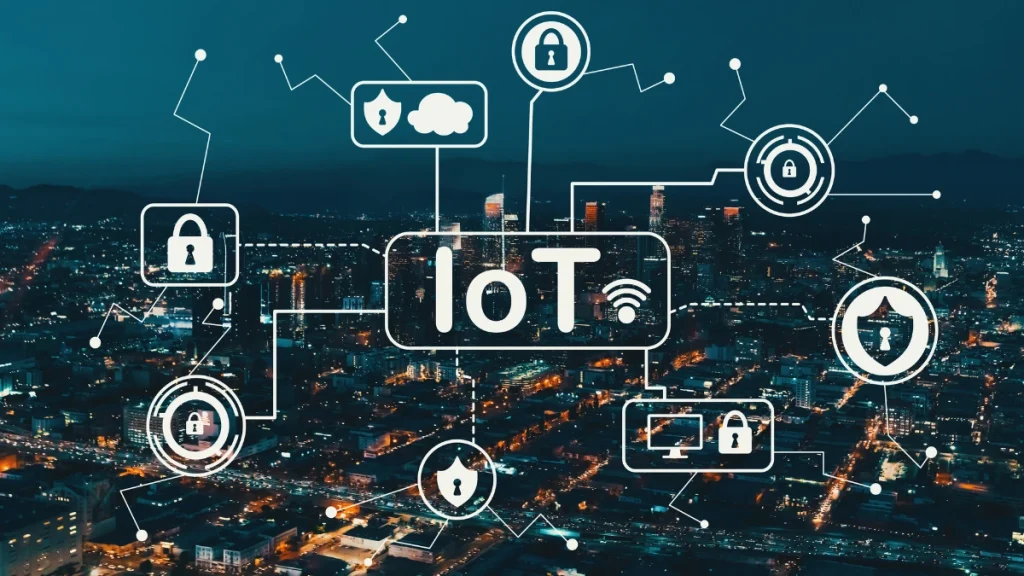
Today, for the firms that plan tighter control over cost, schedule, quality, and operational implementation, the topic of IoT device authentication and authorization is a serious delivery and business issue. NIST’s IoT cybersecurity program continues to lay emphasis on standards, guidance, and device-level needs because trust in connected products depends on strong identification, secure defaults, and lifecycle support. NIST SP 800-213 and relevant guidance frame IoT security obligations around the faculties a device and its manufacturer should provide to support secure deployment and operation. IBM’s 2025 Threat Intelligence Index reported that almost half of cyberattacks resulted in stolen data or credentials, while abuse of identity remained a preferred entry point for attackers.
Why IoT Device Authentication and Authorization Matters Now
IoT device authentication and authorization are no longer a niche engineering interest. Linked sensors, gateways, controllers, cameras, and smart meters now sit inside operational workflows where a weak identity model can reveal safety, data, and business continuity at the same time. Practically, teams are required to verify not only that a device is genuine, but also what it is authorized to do after it joins the network. This is also the scenario where IoT authentication becomes relevant, because it points how the topic moves from theory into repeatable project or operational practice.
Authentication, Authorization, and Device Identity Explained
IoT authentication confirms a device is what it claims to be. Authorization determines which topics, APIs, commands, data stores, or peer devices that authenticated device can access. Strong IoT device identity usually links immutable hardware properties, certificates, secure elements, manufacturer records, and lifecycle metadata so that a device can be trusted from provisioning to retirement. This is also the scenario where IoT device authentication becomes relevant, because it shows how the topic moves from theory into repeatable project or operational practice. In that sense, IoT device authentication and authorization should be regarded as an active administration discipline, not a one-time technical task.
Common Methods Used in Modern IoT Authentication
The most common IoT device authentication methods embrace X.509 certificates, symmetric keys, secure tokens, SIM-based credentials, TPM-backed identities, and hardware secure elements. The right method depends on device power, scale, connectivity, update rate, and the risk of physical tampering. In high-risk environments, certificate-based mutual authentication with automated rotation frequently gives the cleanest long-term control model. This is also where IoT device authentication methods become significant, because it shows how the topic moves from theory into repeatable project or operational practice. In that sense, IoT device authentication and authorization should be considered as an active management discipline, not a one-time technical task.
How Secure Discovery and Authorization Workflows Operate
Secure device discovery should never be considered as open trust. Discovery can identify a new device, but enrollment should authorize provenance, firmware state, ownership, and policy before the device receives production permissions. Mature authorization workflows use role-based and attribute-based policies so that a temperature sensor, for example, can publish reading without gaining unnecessary control rights. This is also where device authentication becomes relevant, because it reveals how the topic moves from theory into repeatable project or operational practice. In that sense, IoT device authentication and authorization should be considered as an active management discipline, not a one-time technical task.
Protocols, Costs, and Implementation Trade-Offs
The protocol layer concerns because identity is imposed through communication. Teams often use MQTT with TLS, HTTPS APIs, DTLS for constrained devices, OAuth-style token flows at the application layer, and signed firmware for trust stability. The financial side is similarly important: certificate infrastructure, fleet management, lifecycle monitoring, and incident response all add cost, but those costs are usually far lesser than the business impact of an insecure fleet. This is also where IoT device identity becomes relevant, because it confirms how the topic moves from theory into repeatable project or operational practice. In that sense, IoT device authentication and authorization should be regarded as an active management discipline, not a one-time technical task.
Best Practices and the Future of Device Trust
Best practice starts with exclusive per-device credentials, secure boot, signed updates, least-privilege access, and permanent asset inventory. Forward-looking teams are moving toward zero-trust IoT, automated certificate rotation, posture-aware authorization, and stronger combination between IoT identity platforms and enterprise IAM. The future will reward organizations that consider device trust as a lifecycle discipline instead of a one-time configuration task. This is also where IoT device discovery becomes relevant, because it confirms how the topic moves from theory into repeatable project or operational practice. In that sense, IoT device authentication and authorization should be regarded as an active management discipline, not a one-time technical task.
Conclusion
IoT device authentication and authorization is not just a term that has become trend, rather it is a practical lever for enhancing how organizations plan, coordinate, protect, or operate complex work. Firms that identify clear workflows, assign ownership, and invest in acceptance usually see stronger value than firms that buy tools without adjusting behavior. Infratech Hub can facilitate turning these ideas into a practical roadmap through informed content, functioning insight, and decision support for engineering and construction-focused teams.