UNESCO informs that agriculture sector consumes roughly 70% of worldwide freshwater withdrawals. At the same time, global freshwater demand has been rising by just under 1% per year since the 1980s. This is the reason that many farmers, irrigation managers, and Agri-tech companies now ask: how do you create a digital twin that can improve water use, monitor crops, and support real-time decisions?” The answer to this question is important for ITH readers, because digital twins are becoming a feasible tool for intelligent irrigation, better productivity, and climate-resilient farming.
What Is a Digital Twin in Agriculture?
A digital twin in agriculture is defined as a virtual model of a real farm, field, irrigation system, greenhouse, pump station, canal, or crop production area. It utilizes live data from sensors, satellites, drones, weather stations, and farm equipment to show what is going on in the physical environment.
It is not just a 3D drawing. A true agricultural digital twin is linked to real-time data. It can show:
- soil moisture,
- crop health,
- water flow,
- temperature, and humidity,
- pump performance,
- irrigation demand.
This makes it effective for monitoring, prediction, planning, and decision-making.
The global interest in digital twins is also growing. MarketsandMarkets guess that the global digital twin market may expand from USD 21.14 billion in 2025 to USD 149.81 billion by 2030. This increase shows that digital twins are no longer being used only in factories and smart buildings. They are now penetrating agriculture, irrigation, infrastructure, and water management.
How Do You Create a Digital Twin for Agriculture?
The simple answer to how do you create a digital twin is following step by step process:
- start off with a clear problem,
- gather reliable data,
- pick suitable software,
- create the digital model,
- link real-time sensors,
- keep enhancing the system.
In agriculture, the goal may be:
- decrease water use,
- improve irrigation scheduling,
- discover crop stress,
- handle pump performance,
- monitor canal flows or forecast yield.
A successful digital twin should not start as a complex technology project. It should start considering it as realistic farming or addressing the irrigation problem that needs better information.
Step 1: Define Goals Before Building Digital Twins
Before building digital twins, farmers and irrigation managers should specify what they want to enhance. A digital twin for a small farm may focus only on soil moisture and irrigation timing. On the other hand, a digital twin for a large irrigation scheme may have to monitor canals, pumps, gates, reservoirs, weather data, and crop zones.
The most familiar goals include:
- reduction in water waste,
- improving crop yield,
- reducing energy cost,
- detecting water stress,
- forecasting pump failure,
- enhancing use of fertilizer.
Clear goals help to decide what data is required, what sensors should be installed, and what type of digital twinning software should be used.
Step 2: Collect Farm and Irrigation Data
Data is the basis of every digital twin. No model can give reliable insights without good data. Origin of farm data may be from soil moisture sensors, flow meters, weather stations, satellite images, drone surveys, water-level sensors, pump sensors, crop records, and GPS-based field maps.
For smart irrigation, the most important data commonly involves soil moisture, rainfall, evapotranspiration, canal discharge, pump operation, water pressure, crop stage, and weather forecast. This data supports the system to recognize when crops need water and how much water should be applied.
This step is fundamental to answer: how do you create a digital twin because the quality of the data entering in a digital twin determines its quality.
Step 3: Choose the Right Digital Twinning Software
Digital twinning software is a platform that links data, models, maps, dashboards, analytics, and alerts. It makes it easier for users to see what is happening in the farm or irrigation network.
The right digital twinning software should strengthen IoT sensor integration, GIS mapping, real-time dashboards, weather data, irrigation scheduling, reporting, and predictive analytics. For advanced projects, it may also assist 3D visualization, AI models, BIM incorporation, hydraulic simulation, and digital water accounting.
Small farms may initiate with simple dashboards and sensor-based irrigation tools. Large irrigation agencies must have cloud-based platforms with GIS, IoT, AI, and asset management features.
Step 4: Building 3D Digital Twin Models of Fields and Irrigation Systems
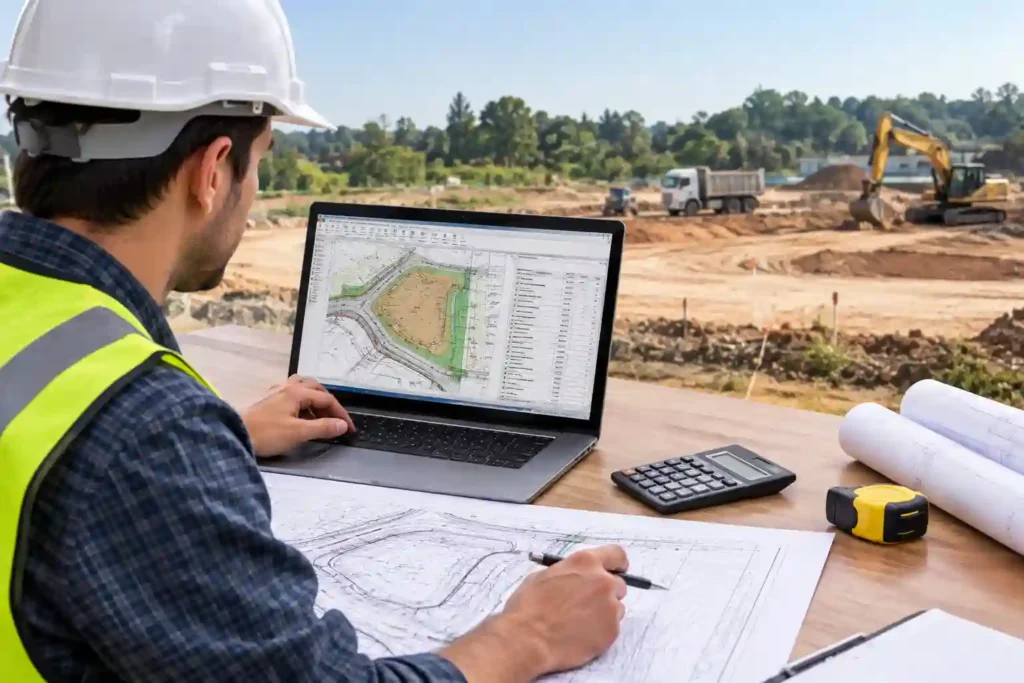
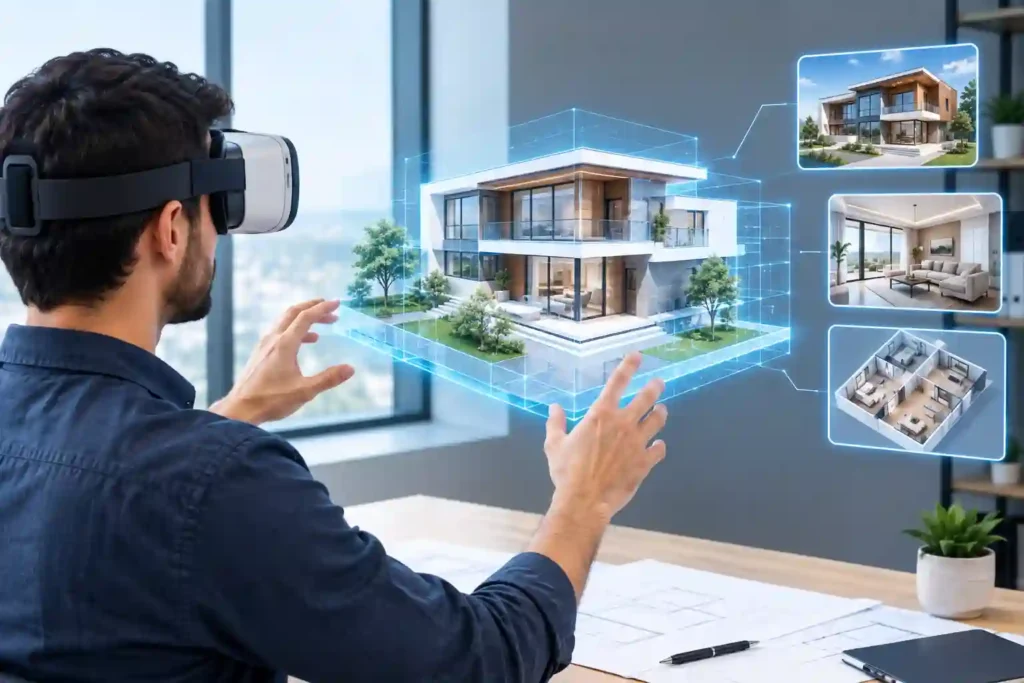
Building 3D digital twin models means establishing a visual and spatial representation of the real farm or irrigation system. This may involve field boundaries, terrain levels, canals, drains, pumps, pipes, valves, reservoirs, greenhouses, and crop zones.
A 3D model can be produced using GIS maps, drone imagery, LiDAR data, satellite images, CAD drawings, BIM models, and survey data. For many farms, a simple map-based twin may be sufficient at the start. For larger irrigation projects, building 3D digital twin models can facilitate managers observing water movement, field conditions, and asset locations more clearly.
This is one rational answer to how to make a digital twin more useful: make it visual, linked, and easy to grasp.
Step 5: Integrate Real-Time IoT Sensor Data
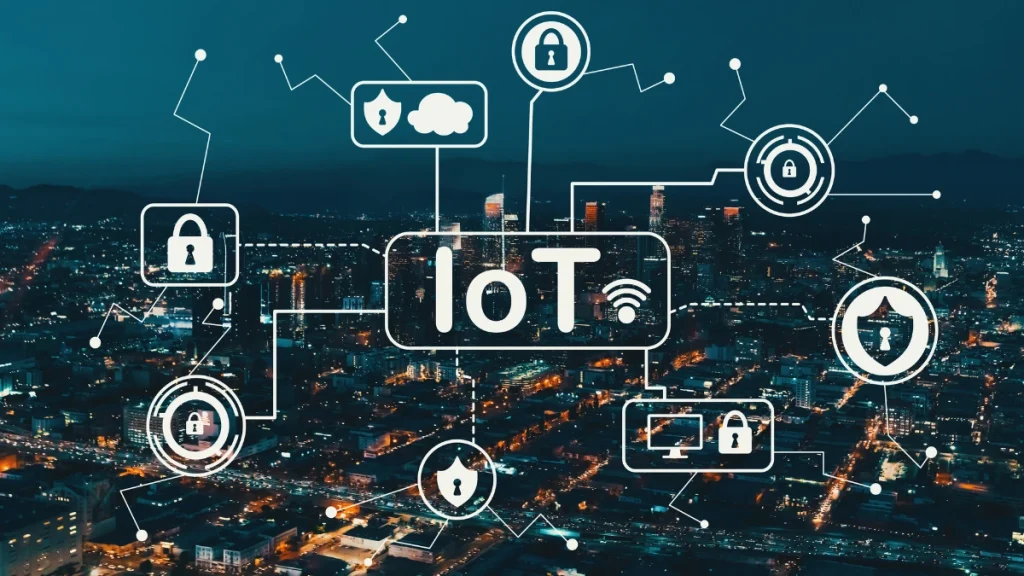
IoT denotes Internet of Things. In agriculture, IoT devices are physical sensors that gather data and send it to a digital platform. These may contain soil moisture sensors, weather sensors, flow meters, pressure sensors, water-level sensors, pump sensors, and crop monitoring devices.
When these sensors are coupled to the digital twin, the system becomes live. Farmers can see whether a field is too dry, whether a pump is working accurately, or whether water flow is lower than projected.
This is where how to build a digital twin becomes different from forming a normal digital map. A map shows location, while a digital twin shows live performance as well.
Step 6: Use AI for Smart Irrigation and Prediction
AI enhances digital twin by turning raw data into beneficial recommendations. For example, AI can study soil moisture, rainfall, crop type, temperature, and weather forecast to suggest the best irrigation time.
It can also assist in detecting crop stress, predict water demand, identify leaks, forecast pump failure, and estimate yield. In water-scarce regions, this can also support better planning and decrease unnecessary irrigation.
This is why the question “how do you create a digital twin” should always contain AI and analytics. A digital twin becomes more beneficial when it can foretell problems, not only display data.
How to Make a Digital Twin Practical for Farmers
The best answer to the question how to make a digital twin is as follows:
It is practical to start small. A farmer does not have to digitize the whole farm on day one. In the first phase, focus only on soil moisture monitoring and irrigation alerts. After that, the system can be expanded to activities like crop health monitoring, pump control, fertilizer planning, weather-based irrigation, machinery tracking, and yield forecasting. This multi-phased method decreases risk and makes technology easy to adopt.
For small farmers, simplicity counts. The dashboard should be clear. Alerts should be easy to comprehend. The system should support daily decisions, not establish extra technical burden.
How to Build a Digital Twin for Smart Irrigation Networks
For understanding how to build a digital twin for irrigation, it is helpful to think of the system as a linked water network. The digital twin should bring in water sources, canals, pumps, reservoirs, pipes, valves, gates, command areas, and crop demand.
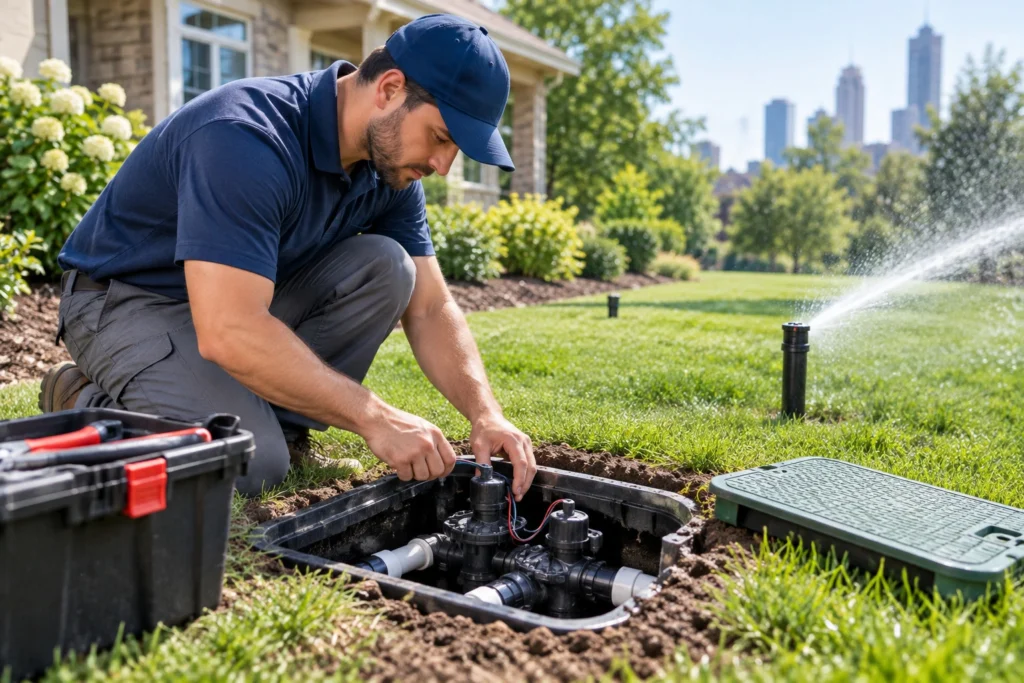
For canal irrigation, the twin will monitor water levels, flow rates, gate operations, and delivery schedules. For drip or sprinkler systems, it will monitor pressure, flow, pump status, and soil moisture. For groundwater systems, it will track tube wells, energy use, and abstraction patterns.
This facilitates irrigation managers to switch from fixed schedules to demand-based irrigation. It also helps identify losses, plan maintenance, and enhance water distribution.
Benefits of Digital Twins in Agriculture
Digital twins can enhance agriculture in several ways. They can decrease water waste by applying irrigation only when crops require it. They can improve crop productivity by cutting water stress. They can lower energy bills by improving pump operation. They can decrease manual inspections by providing managers with real-time dashboards.
They also support reliable climate resilience. As rainfall patterns become less predictable, farmers want tools that merge weather data, soil data, and crop data. A digital twin can help them reply faster to drought, heat stress, flooding, and water shortages.
For ITH readers, the key value is clear. Digital twins help agriculture to develop as more data-driven, efficient, and sustainable.
Challenges in Building Digital Twins for Agriculture
There are also some challenges in building digital twins for agriculture. Sensor cost, inadequate internet connectivity, poor data quality, shortage of technical skills, and maintenance problems can slow acceptance.
Some farmers may also think about the technology that it is difficult. This is the reason that training, local support, and simple dashboards are important. A digital twin should be made according to the user’s capacity. It must not be overdesigned.
The best approach is phased implementation. Begin with one problem. Establish the value. Then increase the system.
Digital Twin Development Cost: Budget, ROI, and Long-Term Savings
Farm size, irrigation complexity, number of sensors, software type, data integration, 3D modeling needs, AI features, and maintenance support are the factors that determine Digital twin development cost.
A simple system may include soil moisture sensors, a weather station, a dashboard, and simple irrigation alerts. A larger system may also incorporate GIS mapping, drones, flow meters, pump sensors, AI analytics, cloud storage, and 3D visualization.
The ROI appears from water savings, lower energy use, better yields, less crop losses, decreased manual inspections, and enhanced maintenance. In irrigation projects, even small water efficiency gains can establish strong long-term value because agriculture consumes such a large share of global freshwater.
Therefore, digital twin development cost should be determined against long-term savings, not only initial investment.
Conclusion
Digital twins can help farmers to save water, improve productivity, decrease costs, and oversee climate risk. They can also facilitate irrigation managers to monitor large networks with better precision and faster decisions.