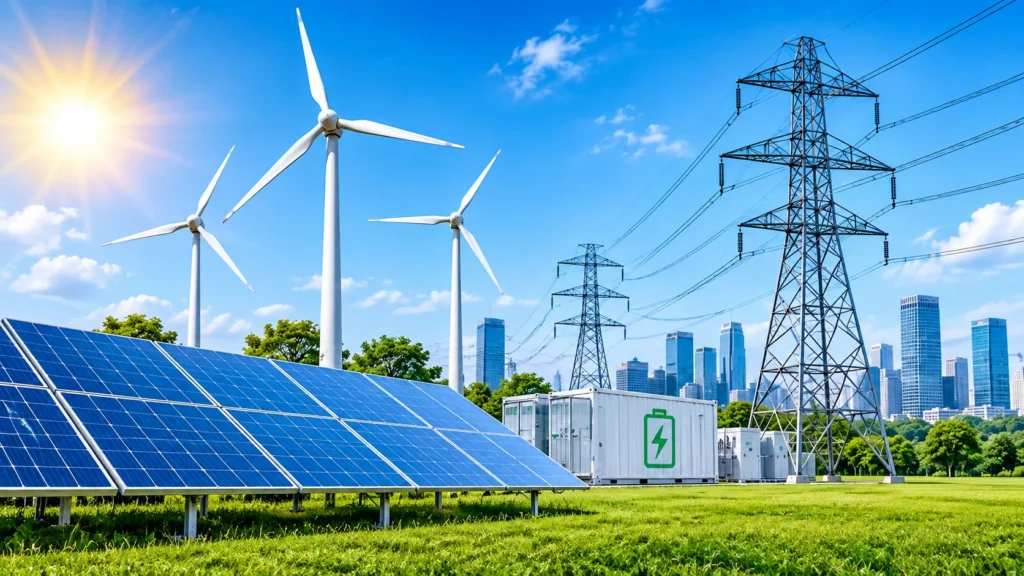
It is quite possible that although a renewable project can succeed its generation target, yet it cannot perform optimally, when interconnection, controls, protection, or operating strategy is wrong. Renewable energy engineering addresses and closes those gaps through coordinating resource data, equipment, civil works, electrical studies, storage, controls, and grid requirements from feasibility through operation.
What Is Renewable Energy Engineering
For owners probing, what is renewable energy engineering?, the answer is that it is the multidisciplinary design and combination of low-carbon generation into a secure, economical power system. Engineers transform solar irradiation, wind regimes, hydrology, demand, land constraints, and network capacity into a bankable concept, then test its behavior during normal function, faults, extreme weather, and outages.
The scale makes this work important. IRENA registers that global renewable capacity reached 5,149 GW at the end of 2025. It represents 49% of total installed power capacity. Renewables also contributed 85.6% of net capacity additions that year. Those assets should link to networks designed around dispatchable, synchronous plants.
How Renewable Energy Engineering Connects Generation and the Grid
Efficient renewable energy engineering regards plant and network as one interacting system. Early studies detect constraints before procurement or construction locks in costly corrections. Standard tasks include:
- Resource measurement, energy-yield modelling, ambiguity analysis, and technology selection.
- Load flow, short-circuit, harmonics, voltage, frequency, and transient-stability studies.
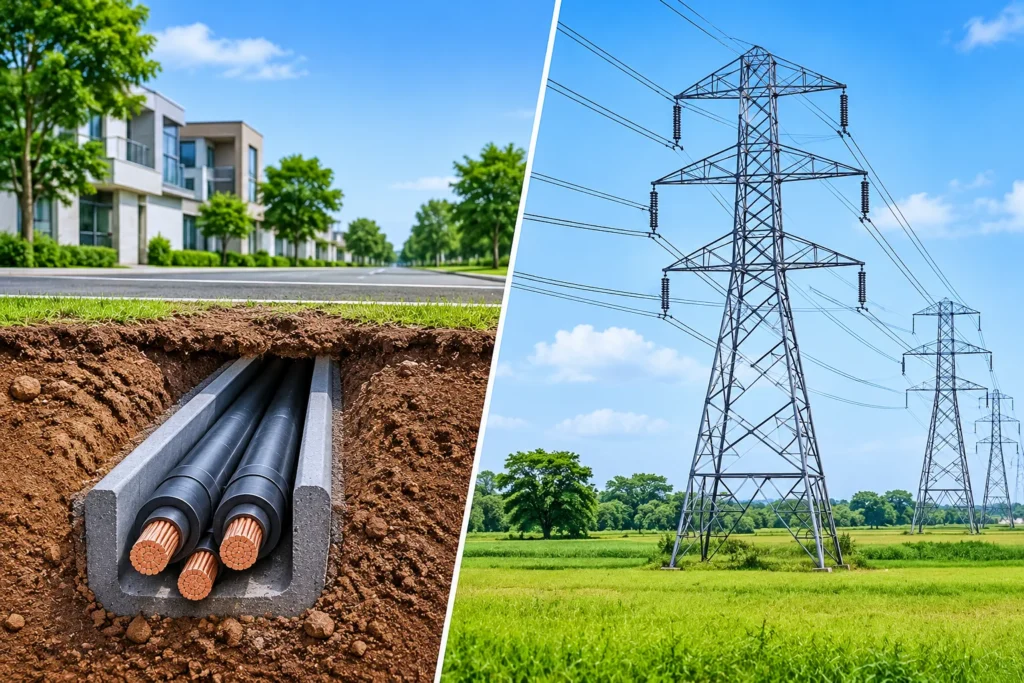
- Substation, cable, transmission, earthing, relay-protection, SCADA, and communications design.
- Battery sizing, dispatch logic, curtailment assessment, forecasting, and grid-code compliance.
Inverter-based solar, wind, and battery assets influence voltage, fault current, inertia, and frequency differently. Engineers state controls, reactive-power capability, protection, and plant controllers; therefore, projects support system strength.
Solar Engineering Services Turn Irradiance into Reliable Output
Professional solar engineering services expand beyond module layout. Engineers gauge shading, terrain, geotechnical conditions, drainage, soiling, temperature losses, DC-to-AC ratio, cable losses, degradation, and access for maintenance. They compare fixed-tilt and tracking arrangements, confirm equipment compatibility, and shape annual and seasonal production.
Wind Energy Engineering Services Manage Site Specific Risk
Because wind loading and wake effects vary sharply by location, wind energy engineering services combine measured resource data with turbine selection, micrositing, geotechnical design, roads, crane logistics, foundations, electrical collection, and noise or environmental constraints. Engineers model wakes and losses rather than relying on nameplate capacity.
Power Plant Engineering Services Support Hybrid and Firm Supply
Modern systems increasingly combine renewables with batteries, hydropower, thermal generation, or flexible demand. power plant engineering services define operating modes, ramp rates, reserve requirements, black-start capability, fuel or water constraints, and maintenance strategies across the portfolio.
Grid Engineering Services Prevent Connection Bottlenecks
Interconnection is now a central project risk. The IEA has reported at least 3,000 GW of renewable projects waiting in connection queues. Its 2026 outlook says annual grid investment must rise about 50% from today’s USD 400 billion by 2030 to meet demand.
Targeted grid engineering services assess hosting capacity, reinforcement options, congestion, dynamic behaviour, protection coordination, and compliance evidence. Advanced grid engineering services may also evaluate synchronous condensers, STATCOMs, storage, flexible connections, and remedial-action schemes.
Engineering Decisions That Improve Bankability
This integrated engineering process connects technical choices to commercial outcomes. Before approving a concept, decision-makers should ask questions:
- Does the energy model state data quality, losses, uncertainty, and downside cases?
- Have grid studies used validated utility models and current connection requirements?
- Are equipment ratings suitable for temperature, flooding, corrosion, seismic, and wind conditions?
- Can the control strategy manage variability without excessive curtailment or battery cycling?
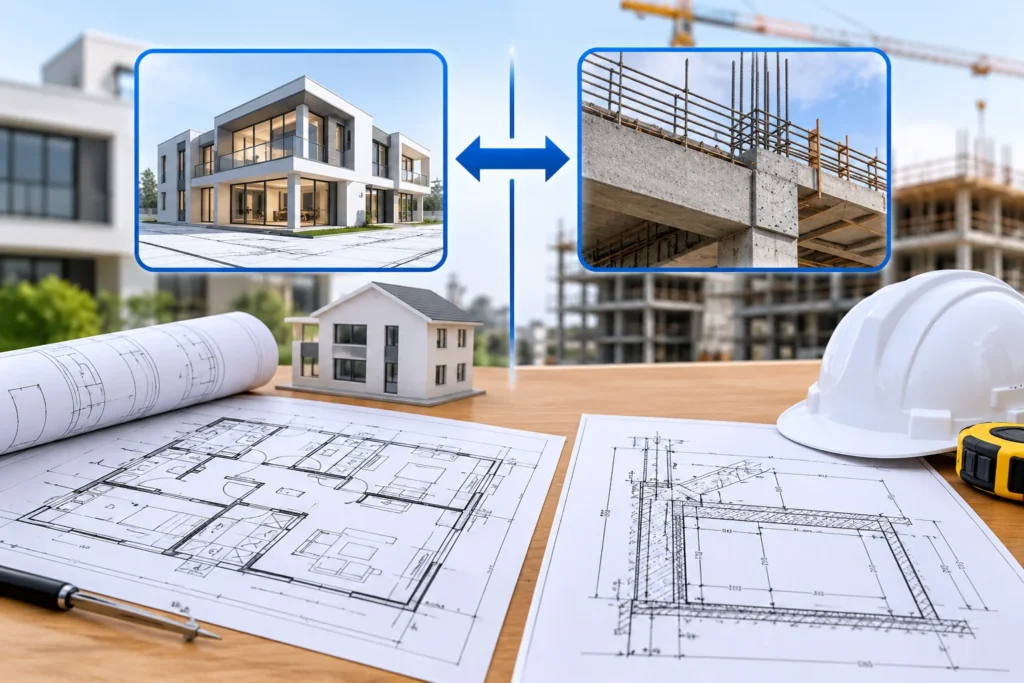
- Do designs address constructability, spares, cybersecurity, inspection, and end-of-life obligations?
Build a Power System Not an Isolated Plant
As renewables approach half of installed global capacity, successful projects will be judged by usable, controllable energy—not installed megawatts alone. Integrated energy engineering provides the system view needed to manage interfaces, prove compliance, and sustain performance.
Discuss integrated renewable and grid engineering support with InfraTech Hub for your next project.
Source Notes
IRENA, Renewable Capacity Statistics 2026: global capacity and annual additions
IEA, Electricity Grids and Secure Energy Transitions: connection queue estimate
IEA, Electricity 2026: grid investment outlook