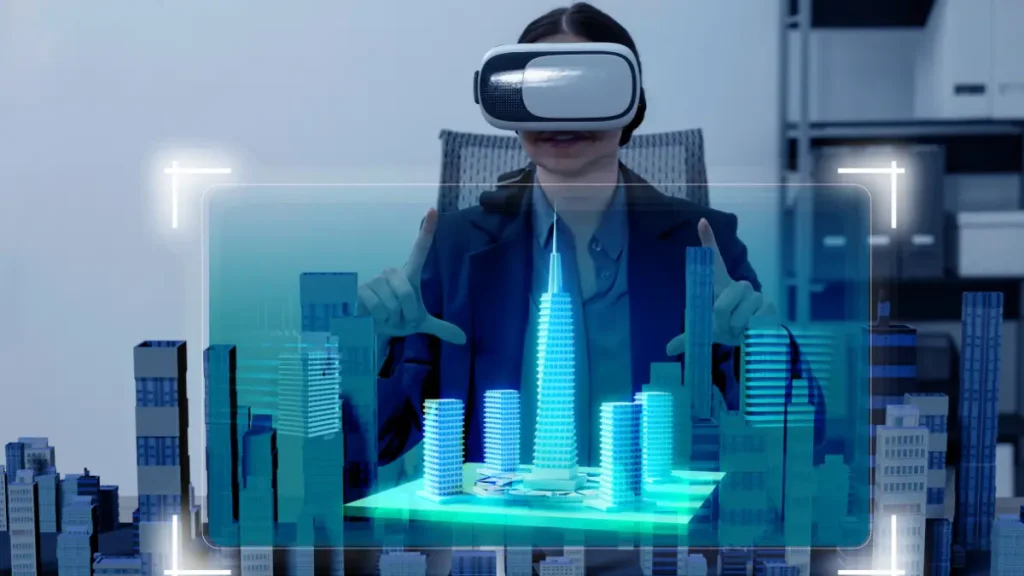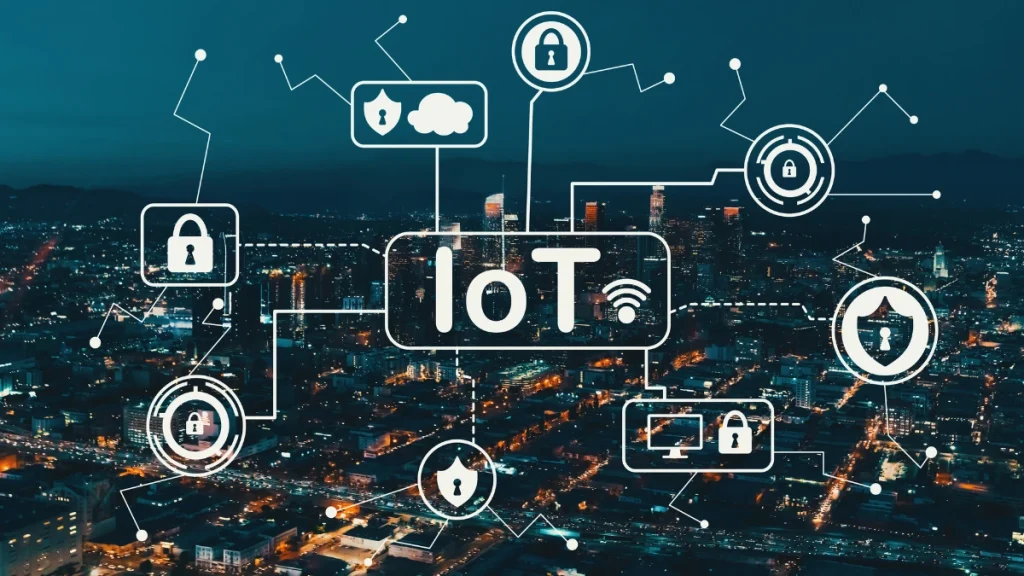
Programs and pilots across infrastructure and industry, keep drawing the same conclusion: leaders don’t just need “more data”; instead, they need decision-ready insight that decreases downtime, improves capital planning, and proves performance. That is the reason that the Digital Twin concept is moving from engineering teams into executive discussions. When a Digital Twin ties real asset data with models and workflows, it can turn operations into measurable outcomes: few failures, low OPEX, smart CAPEX timing, and clear risk management.
What Is Digital Twin Technology
If you’re wondering to know “what digital twin technology is”, here’s the simplest definition:
A Digital Twin is a living digital representation of a real asset, system, or city that stays always updated using data, so that teams can monitor, simulate, and improve performance over time.
Digital Twin vs BIM vs GIS vs SCADA
Decision-makers repeatedly hear these terms together. They’re related, but not the same:
- BIM (Building Information Modeling):
A structured 3D model and database of design and construction information. Good for “what was built,” but not always connected to live operations. - GIS (Geographic Information System):
The spatial map and context layer: showing where assets are, network topology, land use, corridors, and zones. - SCADA (Supervisory Control and Data Acquisition):
Operative control and monitoring for industrial processes (plants, pump stations, substations). Powerful on real-time signals, alarms, and control logic. - Digital Twin:
The “unifier” that can blend BIM + GIS + SCADA + IoT + inspections into one continuously updated system that supports monitoring, simulation, and decision workflows.
Key idea: BIM and GIS frequently provide structure and context while SCADA and IoT provide live signals. A Digital Twin connects those inputs to models and decisions.
How a Digital Twin Works
A Digital Twin is not just a 3D model; rather, it works when data flows steadily and the organization uses it to act.
The Digital Twin Process
This digital twin process is a practical way to think about it:
- Define outcomes and KPIs
Select what success means: downtime decrease, energy intensity, leakage, response time, safety events, asset life. - Create the baseline model
Start with what you already have: BIM, CAD, GIS, asset registers, drawings, and operating rules. - Connect data sources
Draw data from IoT sensors, SCADA, meters, inspections, drones, maintenance logs, and external data (weather, demand). - Integrate and normalize data
Match sensor tags to asset IDs, clean data, align timestamps, and explain “one source of truth.” - Calibrate and validate
Tune the model so it represents reality. Confirm it by matching measured conditions and known events. - Run analytics and simulations
Notice anomalies, forecast issues, test scenarios (“what will happen if we change pressure?” “what will be effect if a feeder fails?”). - Embed workflows
Induct work orders, approvals, and operational playbooks using CMMS/EAM integrations. - Improve continuously
Track KPIs, refine rules, update models, and increase scope.
Common Data Sources Inside a Digital Twin
A Digital Twin becomes powerful when multiple evidence streams are used:
- IoT telemetry: pressure, flow, vibration, temperature, occupancy
- SCADA: setpoints, alarms, PLC states, control history
- BIM / as-built: geometry, materials, equipment metadata
- GIS: asset locations, networks, zones, boundaries
- Inspections: condition ratings, photos, defect logs
- Drones / LiDAR: terrain, structures, change detection
- Maintenance history: failures, parts replaced, labor hours
Key Components of a Digital Twin
A successful Digital Twin, whether it’s a building, a water network, or a corridor; generally, includes following building blocks.
1) The Model Layer
Most Digital Twin programs use a combination of:
- Physics-based models: engineering equations and simulations (hydraulics, thermal behavior, structural response)
- Data-driven models: patterns learned from historical data (failure likelihood, energy forecasting)
The model layer does not necessarily have to be perfect on day one. It should be fit for purpose and measurable.
2) Data Pipelines and Integration
This is the plumbing which keeps a Digital Twin alive:
- connectors to IoT/SCADA systems
- APIs for enterprise tools
- time-series storage for sensor streams
- integration mapping (asset IDs, tags, hierarchies)
If incorporation is weak, the Digital Twin becomes a static visualization instead of an operational tool.
3) Visualization and Dashboards
Executives often first like to “see” a Digital Twin as a dashboard or map. Common views involve:
- maps with asset health status
- network flow/pressure views
- alarms, incidents, and trends
- scenario comparison outputs
- KPI scorecards for leadership
4) Workflows and Governance
The most ignored component is governance:
- Who is the owner of Digital Twin data
- Who is approval authority for model changes
- How alarms transform into action
- Who keeps device health, calibration, and access control
A Digital Twin without workflow adoption becomes a costly reporting layer.
Types of Digital Twins
Decision-makers often question about types of digital twins. The easiest way to understand types is by scope and purpose.
Common Types of Digital Twins by Scope
- Asset twin: one asset (a pump, chiller, transformer, bridge)
- System or network twin: connected assets (water distribution, power feeders, metro line)
- Process twin: operational processes (treatment steps, logistics flow, maintenance process)
- Portfolio or city twin: many systems across zones (campus, district, smart city operations)
Maturity Levels
A Digital Twin generally evolves through stages:
- Descriptive: what is going on right now
- Diagnostic: why is it occurring (root causes)
- Predictive: what will take place next (forecasting)
- Prescriptive: what to do (recommended actions and optimized plans)
Practical guidance: Most organizations should target for “descriptive + diagnostic” first, then scale toward projected outcomes where ROI is clear.
Digital Twin Benefits That Decision-Makers Care About
The most valuable digital twin benefits are significant and are linked to financial outcomes, not entirely “better visualization.”
Operational Benefits
- few emergency failures and unplanned downtime
- reduced number of field visits through remote diagnostics
- lesser energy consumption via optimization
- immediate incident response with better situational awareness
- improved compliance reporting and audit trails
Capital Planning Benefits
- better timing for renewals and replacements
- suspending unnecessary CAPEX by proving asset health
- selecting projects by risk and impact, not opinions
- reducing change orders by discovering clashes and constraints early
Risk and Resilience Benefits
- scenario testing floods, outages, demand surges
- early warning for structural or mechanical decline
- clearer risk registers with data-backed likelihood and impact
Executive takeaway: a Digital Twin is valued when it changes decisions regarding maintenance timing, capital planning, and operational responses.
AI and Digital Twins: What AI Adds
Interest in AI and digital twins is rising because AI can induce large data streams into predictions and recommendations. But it is important to differentiate between real values from hype.
What AI Adds to a Digital Twin
- Anomaly detection: locate unusual patterns before alarms trip
- Forecasting: predict demand, energy use, failure chances
- Optimization: advise schedules (pumping, HVAC setpoints, routing)
- Automated insights: summarize what is to be changed, where, and why
- Computer vision: interpret drone imagery, perceive defects, monitor change
What AI Cannot Replace
- Engineering judgement and security constraints
- consistent instrumentation and calibrated sensors
- correct asset tagging with data governance
- interpretation of how systems are supposed to behave
Best practice: Use AI where it improves speed and prioritization, but keep controls, interlocks, and accountability in the operating model.
Digital Twins for Infrastructure: Use Cases Across Sectors
Decision-makers are searching for digital twins for infrastructure, they are usually trying to connect the concept to real projects. Here are common examples by sector.
Water and Wastewater
A Digital Twin can help utilities:
- discover leakage and pressure anomalies
- optimize pumping energy and operations
- test “what-if” scenarios for growth, outages, or major repairs
- prioritize renewal that is based on risk and service impact
Transport and Corridors
Digital Twins support:
- traffic simulation and blocking mitigation
- tunnel ventilation and safety monitoring
- bridge structural health monitoring
- unpleasant incident management and response routing
Buildings and Campuses
Digital Twin which is a building-focused can:
- optimize HVAC working and energy usage
- identify faults (stuck dampers, drifting sensors)
- Manage space consumption and comfort
- decrease lifecycle cost through better maintenance timing
Power Distribution
Digital Twins are used to:
- assessing feeder consistency and failure scenarios
- improving asset health planning for transformers and substations
- supporting restoration planning and operational readiness
Ports, Airports, and Logistics hubs
Digital Twins can improve:
- availability of assets for critical equipment
- optimization of energy across large facilities
- operational coordination and security controls
Flood Resilience and Climate Adaptation
Digital Twins support:
- flood predicting and response planning
- prioritization of resilience projects
- scenario testing for impacts due to extreme weather
Digital Twin for Urban Planning
A digital twin for urban planning develops beyond a single asset into a city-scale decision layer.
How Urban Planning Teams Use a Digital Twin
- visualizing development scenarios and zoning effects
- testing mobility changes (signals, transit routes, demand shifts)
- planning expansion of utilities (water, power, drainage capacity)
- coordinate multi-agency infrastructure projects
- convey tradeoffs to stakeholders with evidence
Smart City Operations Model
A mature city twin supports:
- an operations center with prioritized events
- cross-domain KPIs (energy, water loss, congestion, resilience)
- repeatable playbooks for response
- governance rules for data sharing and privacy
Why Financial Aspects Matter for Cities
For a city, a Digital Twin is frequently justified by:
- prevent project overruns through better coordination
- decreased service disruptions and emergency repair budgets
- improved CAPEX prioritization with risk-based planning
- significant energy and maintenance savings in facilities
Building Industrial Digital Twins: Practical Implementation Playbook
Many organizations look for building industrial digital twins because they want a practical roadmap, not a theory.
1) Choose a High-value Starting Point
Select assets or systems with:
- high downtime cost
- repeated maintenance and failures
- noticeable KPIs (energy, availability, response time)
- scalable reproduction (many similar stations/buildings)
2) Define Success Metrics Early
Examples:
- decrease unplanned downtime by X
- decrease energy intensity by Y
- enhance response time by Z
- decrease truck rolls by N per month
- improve mean time between failures
3) Start Small, Integrate Deeply
A frequent mistake is “wide and shallow.” A better pattern:
- pilot in one corridor / facility / zone
- integrate with CMMS/EAM workflows
- validate and prove outcomes
- standardize templates and scale
4) Design for Governance and Adoption
Use bullet-proof operational rules:
- who is owner of asset IDs and tags
- who is the approval authority for model updates
- who is receiving alarms and escalations
- how actions are logged and audited
5) Plan for Model Drift and Maintenance
Digital Twins decay if:
- sensors drift and are not calibrated
- asset changes are not updated
- data pipelines break silently
- staff changes decreased ownership
A sustainable Digital Twin must have a maintenance plan just like physical infrastructure.
Financial Aspects of Digital Twin Technology
The financial case is often what gets a Digital Twin approved. Focus of this section is on costs, value of drivers, and simple ROI methods.
Cost Drivers
CAPEX:
- data capture (IoT sensors, meters, drones, scanning)
- modeling work (BIM/GIS alignment, engineering models)
- incorporation (SCADA, CMMS/EAM, data pipelines, APIs)
- visualization and dashboards
- cybersecurity hardening and access controls
OPEX:
- platform hosting or subscriptions (cloud/edge)
- device maintenance, calibration, replacements
- data pipeline monitoring and support
- cybersecurity monitoring, patching, and audits
- continuing model updates and governance
Value Drivers
A Digital Twin creates financial value through:
- downtime avoided (fewer failures, faster root cause analysis)
- energy savings (optimization and fault detection)
- maintenance efficiency (better scheduling, fewer unnecessary visits)
- CAPEX optimization (renewal deferral, better prioritization)
- risk reduction (fewer incidents, reduced disruption cost)
- project cost control (less rework, fewer change orders)
Simple ROI and Payback Formulas
Use these for executive-level modeling:
- Annual Net Benefit = Annual Savings + Avoided Costs − Annual OPEX
- ROI (%) = (Annual Net Benefit / Total CAPEX) × 100
- Payback Period (years) = Total CAPEX / Annual Net Benefit
Example Calculation
Assume a mid-size campus launches a Digital Twin for facilities + energy:
CAPEX:
- integration + modeling + dashboards + initial setup = $180,000
Annual Savings and Avoided Costs:
- energy optimization = $45,000
- reduced emergency maintenance and downtime impact = $35,000
- fewer field visits and faster diagnostics = $20,000
- total gross benefit = $100,000
Annual OPEX:
- platform + support + calibration + security = $35,000
Annual Net Benefit = $100,000 − $35,000 = $65,000
Payback = $180,000 / $65,000 ≈ 2.77 years
ROI ≈ ($65,000 / $180,000) × 100 ≈ 36%
This methodology also helps to compare “pilot vs scale” by adjusting CAPEX and OPEX assumptions.
Funding and rollout models
- Phased rollout: pilot → prove → scale with templates
- Outcome-based expansion: expanding only when KPIs are confirmed
- Performance contracting (where applicable): fund via significant savings
- Capex reallocation: move from reactive repairs to planned improvements
Risks, Pitfalls, and Best Practices
Digital Twin programs fail more from performance issues than technology limits.
Common Pitfalls
- Unclear outcomes: creating a twin without KPIs
- Data quality gaps: bad tags, missing calibration, noisy sensors
- Integration overload: too many systems linked too quickly
- Model drift: the digital version blocks matching reality
- Adoption failure: teams don’t change workflows
- Vendor lock-in: proprietary formats and restricted data access
- Cybersecurity exposure: increasing the attack surface without control
Best Practices that Reduce Risk
- describe “decision use cases” before buying tools
- standardize asset IDs, naming, and tagging conventions
- start small but combine deeply with CMMS/EAM workflows
- validate models against known data and known events
- design governance: ownership, access, change control, audit logs
- keep interoperability obligations clear (APIs, exportability, open protocols)
- handle security as a lifecycle practice: segment, monitor, patch, verify
A simple litmus test: If a Digital Twin doesn’t trigger better maintenance decisions or capital prioritization, it’s not yet providing its full value.
Conclusion
A Digital Twin is most valuable when it becomes a decision system, rather than a static model. It can improve consistency, reduce operating costs, and make capital planning more defensible by linking real data to engineering context and workflows. The best approach is to start with a considerable use case, combine deeply, and scale with governance and standards. If your organization wants a practical path from pilot to portfolio-level value, IM Services can help to structure the Digital Twin roadmap, incorporation approach, and KPI-based rollout so it yields outcomes and not just dashboards.