Automation has not remained just an option for teams that want safe, consistent, and cost-effective systems: this fact has been consistently pointed out by research and industry guidance from organizations and communities around industrial standards and modern operations (often discussed in contexts like ISA/IEC practices and Industry 4.0). As, it affects everything from factories and water plants to cloud platforms and IT operations; that is the reason that people keep searching about “what automation in engineering is”.
In this article, you’ll learn
- what automation in engineering is,
- how the field evolved,
- the building blocks of automation engineering,
- the main types and real-world examples of engineering automation, and
- where to process automation engineering and an automation engineer in it fit in 2026 and beyond.
What Is Automation in Engineering?
What is automation in engineering? It is defined as the using control systems, software, and hardware to perform engineering tasks with minimum manual involvement and at the same time sustaining security, precision, and repeatability. Automation uses sensors, controllers, and logic to continue systems running within certain identified limits rather than relying on operators who need to adjust equipment or processes continuously.
Practically, the term “what automation in engineering is” may be defined that it leads to three outcomes:
- Consistency: the same process generates the same result
- Safety: less risky manual actions in an unsafe/hazardous environments
- Efficiency: Rapid operations with little downtime and waste
Automation is spreading across manufacturing lines, building HVAC systems, power grids, dam gates, pumping stations, and also software delivery pipelines in IT. As systems become more complex, automation in engineering is the answer about managing complexity through repeatable rules and measurable performance.
Evolution of Automation Engineering: From Mechanical to Digital
To understand automation engineering today, it will be helpful to see how it evolved:
- Mechanical automation
Early automation depended on mechanical links, gears, governors, and simple mechanisms. Systems were able to repeat actions, but it had incomplete adaptability. - Electrical control systems
Relays and electrical panels empowered more flexible control and sequencing. This decreased some manual switching and improved consistency. - PLCs and industrial control
Programmable Logic Controllers (PLCs) made automation relatively easy to change without rewiring hardware. This was the most important step in modern engineering automation. - SCADA and distributed operations
SCADA systems recognized monitoring and control across wide areas, that are critical for utilities, pipelines, and water networks. - Digital automation, IoT, and analytics
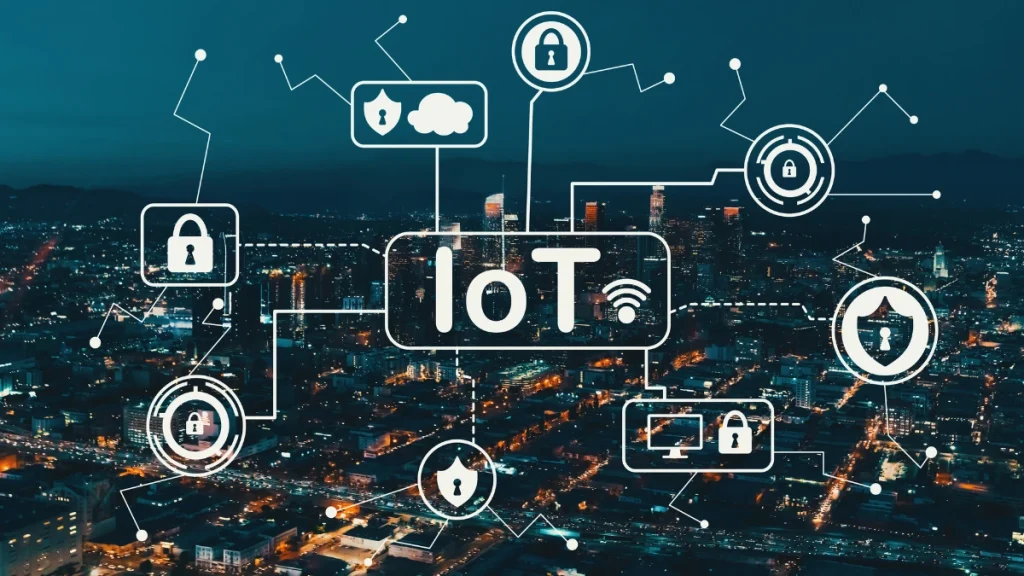
Sensors became cheaper, connectivity increased, and data-driven monitoring extended. Modern automation is progressively connected to performance dashboards, alarms, and predictive maintenance. - AI-assisted automation (careful, practical use)
In some cases, AI supports anomaly discovery or computer vision inspection. But the core of automation engineering still depends on consistent control logic, safety principles, and good design.
“
Key Components of Automation Engineering
A clear way to answer what is automation in engineering can be “to break it into the parts that make automation work consistently”.
Sensors and Instrumentation
Sensors measure conditions real-world like:
- Flow, pressure, temperature, and level
- Vibration, speed, and position
- Electrical parameters (voltage, current, and power)
Actuators
Actuators generate physical action:
- Motors, pumps, fans
- Valves and dampers
- Hydraulic or pneumatic actuators
Controllers
Controllers are like the “decision makers”:
- PLC: common in distinct and machine automation
- DCS: common in large and continuous processes (chemical plants, refineries)
Control Logic
A fundamental idea is a feedback loop:
- Measure the process
- Compare to a setpoint
- Adjust output to decrease error
PID control is a common method for stable control of flow, pressure, and temperature.
SCADA/HMI and Operators
- HMI: interface for operators for viewing status and control equipment
- SCADA: supervisory monitoring throughout (multiple sites, alarms, and trends)
Networks and Protocols
Devices communicate using industrial protocols such as Modbus, OPC UA, or Ethernet-based systems.
Data layer
- Historians store time-series process the data for analysis
- MES links operations to production planning and reporting
Cybersecurity
Automation networks should be protected through segmentation, access control, monitoring, and disciplined change management.
Component Checklist:
- Sensors → Actuators → Controller → Control logic → HMI/SCADA → Network → Data storage → Cybersecurity
Types of Engineering Automation
Automation is not an isolated single category. There are major types of engineering automation e.g. you will see:
- Industrial automation: assembly lines, packaging, and machine control
- Process automation engineering: continuous processes in utilities, chemicals, and oil & gas
- Building automation: HVAC, lighting, access control, and fire systems
- Robotics and motion control: robot arms, AGVs, and inspection robots
- IT automation: infrastructure provisioning, CI/CD, monitoring, and incident automation
- Business process automation (BPA/RPA): repeatable office workflows (separate from industrial control)
Understanding these types helps in understanding about what automation in engineering is within different industries.
Process Automation Engineering: How It Works in Real Systems
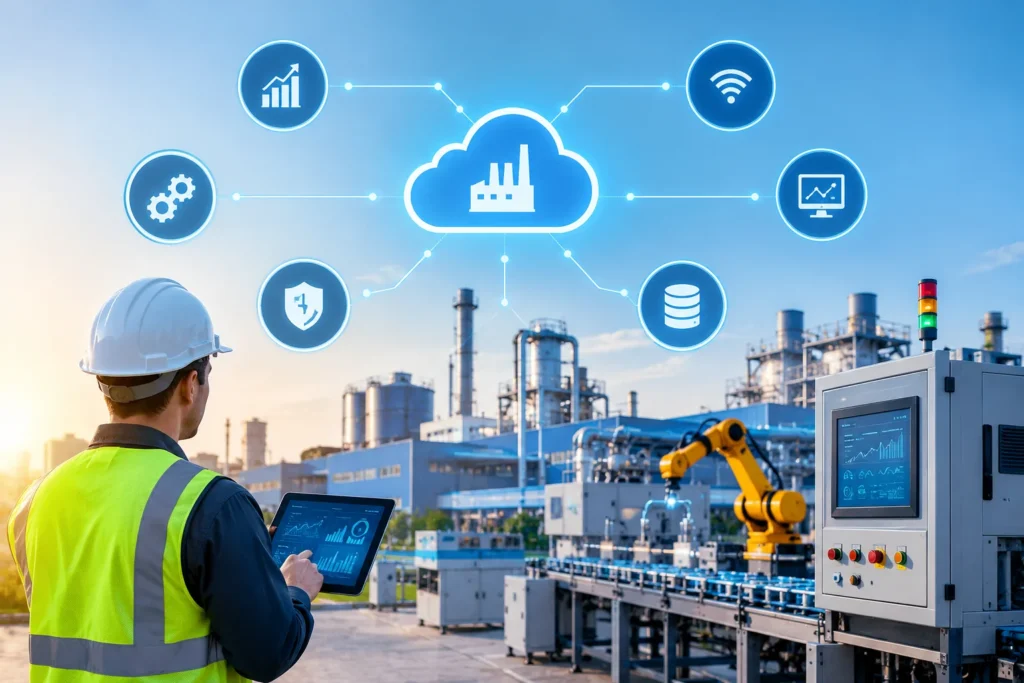
Process automation engineering mainly focuses on controlling continuous or semi-continuous processes where stability and safety are the most important. Common examples are the systems like water treatment, oil and gas production, chemical mixing, thermal power, or industrial boilers.
Common Control Loops
Process automation frequently controls level (tanks and reservoirs), flow (pipelines, channels), pressure (pumps, compressors) and temperature (heating/cooling systems).
Usual Architecture
A practical way to look at architecture like this:
- Field sensors and actuators
- PLC/DCS for local control
- SCADA for supervisory monitoring
- Historian/MES for reporting and optimization
Step-by-Step Example: Automating a Pump Station
- Sensors read inlet level, discharge pressure, and flow
- PLC compares level to setpoint and decides pump ON/OFF sequence
- VFD adjusts motor speed to match desired flow
- SCADA displays trends and alarms (high pressure, low flow, pump fault)
- Historian records execution for energy analysis and maintenance planning
This is process automation engineering in action i.e. stable control, reliable alarms, and usable data.
Engineering Automation Applications
Modern engineering automation is now everywhere. Followings are some practical examples in different industries:
- Water and wastewater treatment
Automated dosing, filtration control, pump sequencing, and alarm systems. - Hydropower plants
Turbine governor control, gate control, protection systems, and remote monitoring. - Manufacturing quality inspection
Vision-based checks, measurement verification, and automated reject systems. - Oil & gas process control
Pressure and flow control, safety shutdown systems, remote site monitoring. - Power distribution monitoring
Automated switching, fault detection, real-time load monitoring. - Smart buildings (HVAC)
Sensors and controllers optimize temperature, airflow, and energy use. - Warehouse automation
Conveyors, sorting systems, barcode scanning, mobile robots for picking support. - IT service automation
Automated provisioning, monitoring alerts, incident response playbooks.
Where Automation Delivers Fastest ROI:
- Repetitive operations with patterns which are predictable
- High safety risk environments
- Processes where quality defects are costly
- Systems with excessive downtime cost
This is the reason that many teams invest in automation engineering as a strategic competence.
Automation Engineer in IT: Responsibilities and Tools
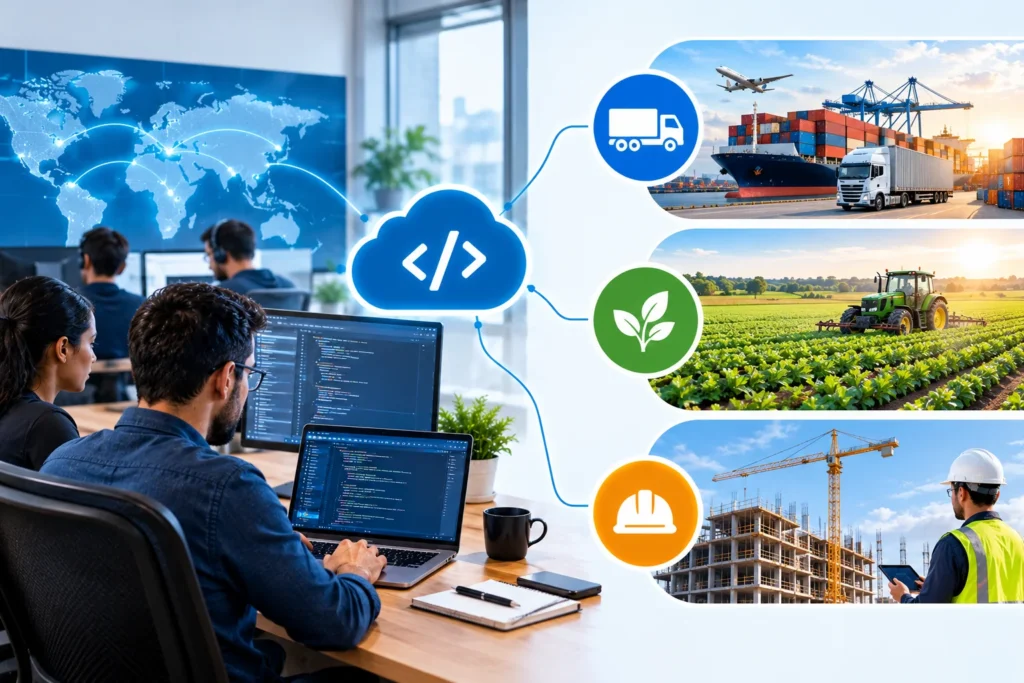
An automation engineer in IT works on repetitive operations in software and infrastructure environments. IT automation controls digital systems such as servers, networks, and deployment pipelines while industrial automation mainly manages physical processes.
What an Automation Engineer in IT Typically Does
- Build CI/CD pipelines for delivery of safe software
- Automate infrastructure provisioning by using IaC
- Produce monitoring and alert automation
- Write scripts for onboarding, access control, and compliance checks
- Decrease manual incident work through runbooks and self-healing logic
Common Tools
- IaC: Terraform, Bicep, CloudFormation
- Configuration: Ansible
- Pipelines: GitHub Actions, GitLab CI, Jenkins
- Containers: Kubernetes basics, Helm
- Observability: dashboards, alerts, log and trace tooling
This role is growing rapidly because systems are complex, and IT teams need repetitive operations.
Benefits of Automation Engineering for Organizations
Automation engineering is valued because it develops performance and decreases operational risk. Key benefits involve:
- Safety: less manual steps in risky environments
- Quality: repeatable processes decrease variability
- Uptime and reliability: fewer process failures and quicker recovery
- Cost control: optimized energy use, diminished waste, fewer errors
- Compliance: better logs, alarms, traceability, and audit readiness
- Faster operations: reliable workflows and reduced delays
For both industrial and IT systems, automation engineering spins “tribal knowledge” into repeatable procedures.
Challenges, Risks, and How to Reduce Them
Automation appears with trade-offs because there are some challenges also. Common challenges comprise:
- High upfront design effort
- Mitigation: start with high impact areas and build templates which are reusable.
- Integration complexity
- Mitigation: regulate interfaces, use clear architecture, and document well.
- Vendor lock-in
- Mitigation: choose open protocols, modular designs, and portable patterns.
- Cybersecurity risks
- Mitigation: segmentation, least privilege, strong verification, and monitoring.
- Skills gap
- Mitigation: training, mentoring, and clear engineering models.
- Over-automation without monitoring
- Mitigation: associate automation to observability and alarms.
The best answer to what automation in engineering is, should be that “it must include both benefits and risks”.
Future Trends in Automation Engineering
The direction of automation engineering is modeled by Industry 4.0 and modern digital operations. Significant trends include:
- IIoT expansion: more sensors, more connectivity, and more real-time monitoring
- Digital twins: simulation models which are linked to live operational data
- Edge computing: faster decisions closer to the equipment
- AI-assisted automation: anomaly discovery, vision inspection, and predictive insights
- Stronger cybersecurity focus: more standards alignment and monitoring discipline
- Integrated IT/OT operations: closer cooperation between plant automation and IT teams
Every industry needs more consistency and efficiency; therefore, the scope of automation engineering is expanding.
Conclusion
Now you can describe automation in engineering as a complete idea i.e. it is the use of control systems, software, and linked components to run engineering processes securely, consistently, and efficiently. Automation is becoming a core competence for many disciplines from process automation engineering in utilities and plants to the role of an automation engineer in IT managing pipelines and infrastructure. The pressure for automation engineering will continue growing as systems scale, compliance needs increase, and teams look for better uptime and cost control.