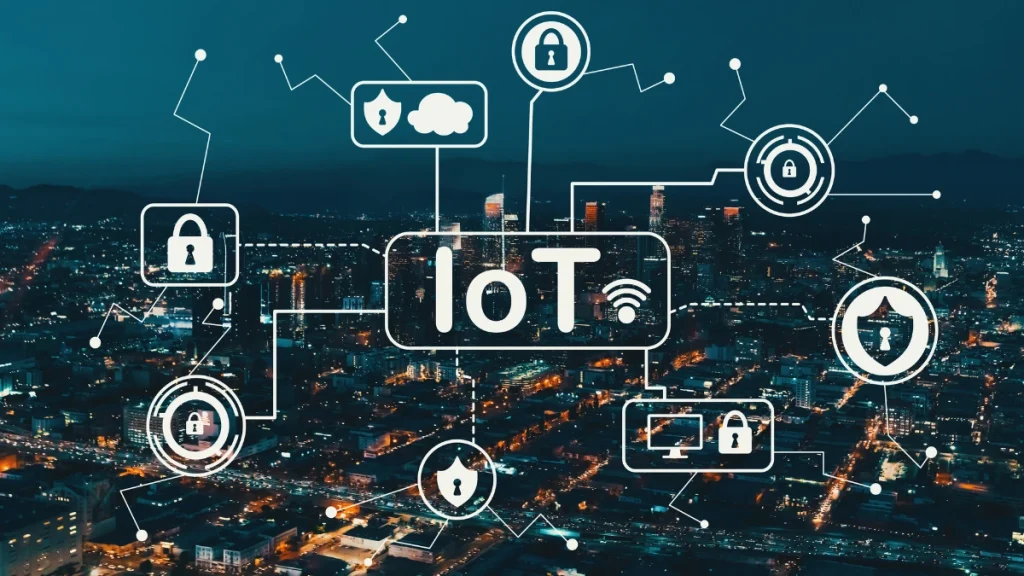
Across cities, utilities, and large building portfolios, operators are moving from reactive maintenance to continuous monitoring and optimization. Industry deployments frequently show that when real-time sensor data is connected to a living virtual model, teams can spot inefficiencies sooner, check failures, and plan upgrades with better confidence. That’s why IoT and digital twin technology is becoming a core foundation for modern infrastructure operations, remarkably when cost control, uptime, and safety matters.
IoT and Digital Twin Technology: The Core Idea
At a high level, IoT and digital twin technology combines two powerful expertise:
- IoT (Internet of Things): devices and sensors that measure the real world and send data (telemetry).
- Digital twin: a virtual representation of a physical asset, system, or facility that updates using real-world data.
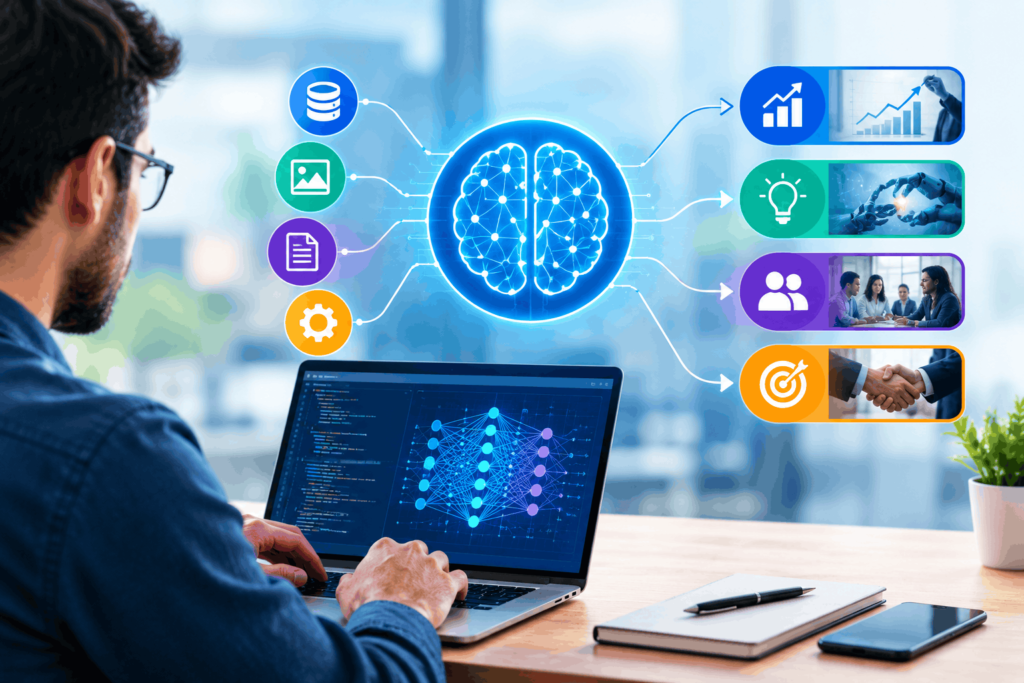
When IoT and digital twin collaborate, the digital twin becomes “alive.” It isn’t a static model. It changes with real operating conditions and helps you in testing decisions before applying them in the real world.
This is also why many organizations consider IoT and digital twin technology as a practical path to IoT digital transformation, because it turns raw data into operational actions.
Digital Twin Technology Definition
A simple digital twin technology definition is:
A digital twin is a virtual model of a physical asset or system that stays updated using real-world data.
A deeper digital twin technology definition involves technical parts:
- A data model that represents assets (equipment, components, zones, relationships)
- A state engine that updates the twin from real-time signals
- A rules + analytics layer that transforms states into insights (alerts, KPIs, predictions)
- Discretionary simulation tools to test scenarios (what-if analysis)
Digital twin vs BIM (important clarification)
- BIM is naturally a design and documentation model (geometry + metadata).
- A digital twin mainly focuses on operations i.e. real-time state, performance, and behavior.
- Many projects initiate with BIM and evolve into digital twins IoT by connecting live sensor data.
That’s why IoT digital twin programs often start with “what model do we already have?” and then construct the operational layer on top.
IoT and Digital Twin: How They Work Together
To understand IoT and digital twin technology, imagine it as a loop:
- IoT devices measure the physical world.
- Data updates the twin.
- The twin creates insights (alerts, KPIs, optimization suggestions).
- Teams act (maintenance, control changes, planning decisions).
- Results feed back into improved operations.
IoT Data Flow that Powers an IoT Digital Twin
Here’s the typical flow in IoT and digital twin deployments:
- Sensors/devices get signals (temperature, vibration, pressure, power, flow)
- Gateway/edge layer sums up data and buffers it during outages
- IoT platform ingests and secures telemetry (identity, encryption, device health)
- Twin state updates map telemetry to assets and update current conditions
- Analytics + rules discover anomalies, trends, and efficiency issues
- Actions activate work orders, alarms, or optimized setpoints
This “sensor → platform → twin → action” chain is the practical heart of IoT and digital twin technology.
Why the Combination Matters
When working alone, IoT gives you dashboards. A twin provides you context: “what asset is this, what does it connect to, what is the impact if it fails?” That’s why digital twins IoT are exclusively valuable for complex systems like water networks, airports, hospitals, and high-rise buildings.
Digital Twin Process: Step-by-Step
A clear digital twin process that helps teams avoid costly mistakes. The most consistent digital twin process usually follows these steps:
- Define objectives and KPIs
- Examples: decrease in downtime, energy intensity, leak loss, comfort complaints, response time
- Select scope and hierarchy
- Single asset (pump), system (HVAC plant), or facility (whole building)
- Build or import the base model
- BIM, GIS, asset registry, P&IDs, equipment schedules
- Connect IoT telemetry
- Map sensors to assets; define units, timestamps, and location tags
- Calibrate and validate
- Check sensor precision; align model outputs with real conditions
- Monitor and visualize
- Dashboards, alarms, maps, and performance views
- Simulate and test scenarios
- What-if analysis: new setpoints, equipment swaps, and changes in demand
- Optimize and automate
- Trigger maintenance, regulate controls, update schedules, decrease waste
- Scale and govern
- Templates, naming standards, data governance, user roles
If you’re developing IoT and digital twin technology for an organization, the digital twin process should incorporate validation and governance and not just “connect sensors.”
IoT Digital Transformation: Why Twins Accelerate Results
IoT digital transformation is not just about and addition of sensors. It’s about changing how decisions are made and how operations enhance over time. IoT and digital twin technology accelerates this because it builds one trusted operational view.
Keyways IoT digital transformation increases with twins:
- Faster root-cause analysis
- The twin demonstrates relationships between assets and systems.
- Better planning
- Operators see trends, capacity limits, and failure risks ahead.
- Operational standardization
- Common templates across sites decrease chaos and inconsistency.
- Measurable ROI
- Energy savings, fewer breakdowns, decreased overtime, longer asset life.
This is why many organizations regard an IoT digital twin as a “control tower” for complex assets.
Digital Twin Strategy: How to Plan for ROI and Scale
A strong digital twin strategy avoids “pilot paralysis” where teams build a demo but can’t scale it. Your digital twin strategy should start with outcomes, then align people, process, and technology.
Digital Twin Strategy Checklist
Use this checklist when planning implementation of IoT and digital twin technology programs:
- Business goals
- Which KPI will get better (energy, downtime, safety, compliance)?
- Asset prioritization
- Start out with high-impact systems (chillers, pumps, substations, critical corridors)
- Data readiness
- Are sensors trustworthy? Is the asset registry precise?
- Integration plan
- Connect to CMMS, BMS/SCADA, ERP, GIS/BIM sources
- Governance
- User roles, naming standards, retaining rules, audit logs
- Security model
- Device identity, encryption, segmentation, access controls
- Scaling plan
- Templates, reusable data models, rollout playbooks
- Operating model
- Who owns alerts? Who approves of the changes? Who keeps models?
A practical digital twin strategy is one that turns digital twins IoT into a sustainable operating system instead of a one-time visualization.
Use Cases in Engineering Infrastructure (Water, Energy, Transport, Facilities)
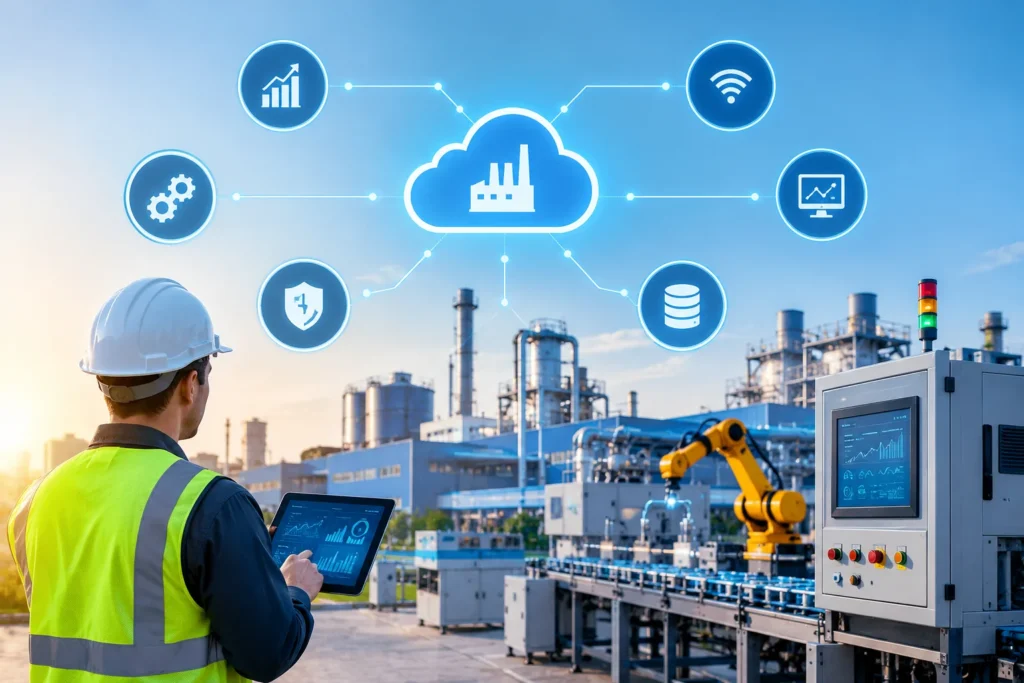
Here’s given some areas where IoT and digital twin technology becomes real: use cases that improve uptime and decrease waste.
Infrastructure Use Cases for IoT and Digital Twin
- Water networks
- Leak recognition, pressure optimization, NRW decline, pump efficiency tracking
- Power and energy systems
- Load prediction, transformer health monitoring, power quality analysis
- Transport infrastructure
- Traffic flow optimization, asset condition monitoring, incident response
- Industrial and public facilities
- Predictive maintenance for rotating equipment, safety monitoring, compliance reporting
In each case, IoT and digital twin changes “data streams” into operational context: where the question is, what it affects, and what action is best.
Digital Twin for MEP Systems (HVAC, Pumps, Controls, Energy)
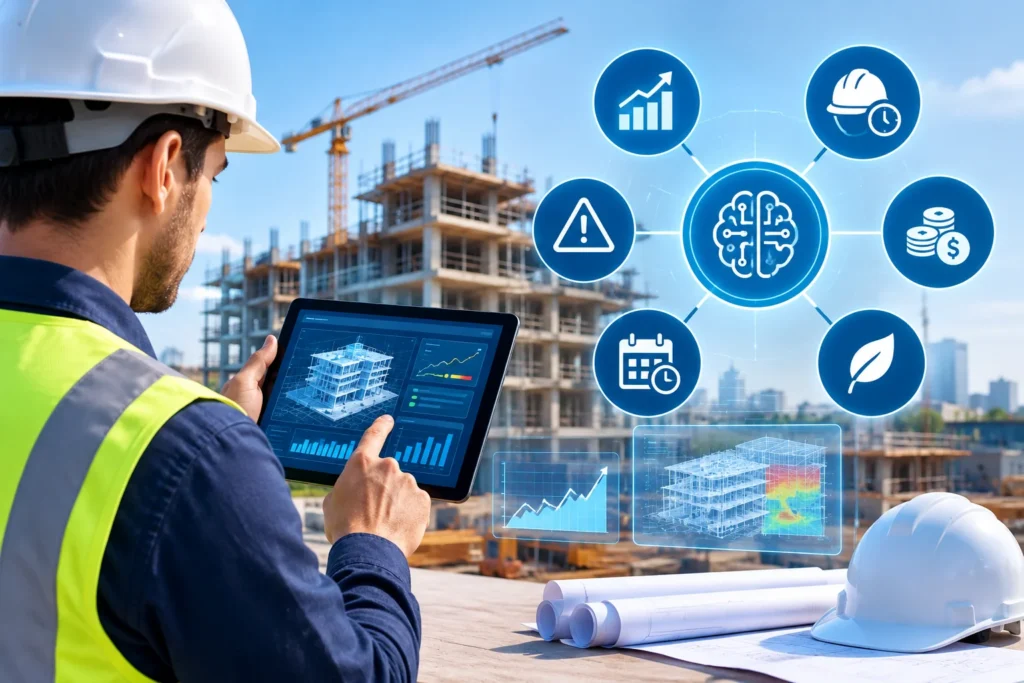
One of the most practical and high-ROI applications is digital twin for MEP systems because building services are complex, energy-intensive, and full of unknown inefficiencies.
What a Digital Twin for MEP Systems Can Model
- HVAC plants (chillers, boilers, cooling towers)
- Pumps and VFD controls
- Air handling units, duct zones, and ventilation rates
- Energy meters and demand profiles
- Indoor environmental quality (temperature, CO₂, humidity)
Real Examples of Digital Twin for MEP Systems Benefits
- Fault detection
- Recognize stuck valves, sensor failures, coil fouling, short cycling
- Energy optimization
- Test setpoint strategies before applying them
- Comfort improvements
- Track zone conditions and reduce complaints
- Maintenance planning
- Forecast component wear and schedule service before failure
A strong IoT digital twin for MEP relates BMS signals, energy meters, and equipment metadata so teams can see “why” energy is wasted, not just “how much.”
Benefits, Challenges, and Best Practices
Benefits of IoT and Digital Twin Technology
- Better consistency and fewer breakdowns
- Less operating cost through energy and maintenance optimization
- Rapid incident response with system-level context
- Better asset lifecycle planning
- Deeper reporting and compliance visibility
Challenges
- Data quality problems
- Missing data, sensor drift, unreliable timestamps
- Integration complexity
- Several systems (BMS, SCADA, CMMS, BIM/GIS) with different standards
- Model maintenance
- Twins should be updated when assets change
- Security risks
- More connected surfaces need stronger controls
Best Practices to Avoid Failure
- Start out with a clear digital twin strategy and measurable KPIs
- Create a simple, validated digital twin process before scaling
- Standardize naming, units, and asset identifiers early
- Order interoperability and data portability
- Consider the twin as an operational product, not a one-time project
These practices help guarantee IoT and digital twin technology delivers real operational improvement, and not just a visual dashboard.
Conclusion
IoT and digital twin technology are the practical blend of real-world sensing (IoT) and a living operational model (digital twin). When working together, IoT and digital twin supports faster decisions, better reliability, and stronger optimization, making it a powerful driver of IoT digital transformation.
Next steps
- Select one high-impact pilot (HVAC plant, pump station, critical corridor)
- Describe KPIs and ownership for alerts and actions
- Track a structured digital twin process
- Initiate a scalable digital twin strategy with governance and security