Across utilities, transport, cities, and industrial facilities, infrastructure owners are shifting from “react and repair” to “monitor and prevent.” Industry reports and large-scale deployments consistently emphasize the same pattern: when assets are connected and measured continuously, teams cut down time, decrease maintenance waste, and respond rapidly to incidents. That move has raisesd a practical question: what is an IoT platform, and why is it the foundation behind modern, data-driven infrastructure?
What Is an IoT Platform
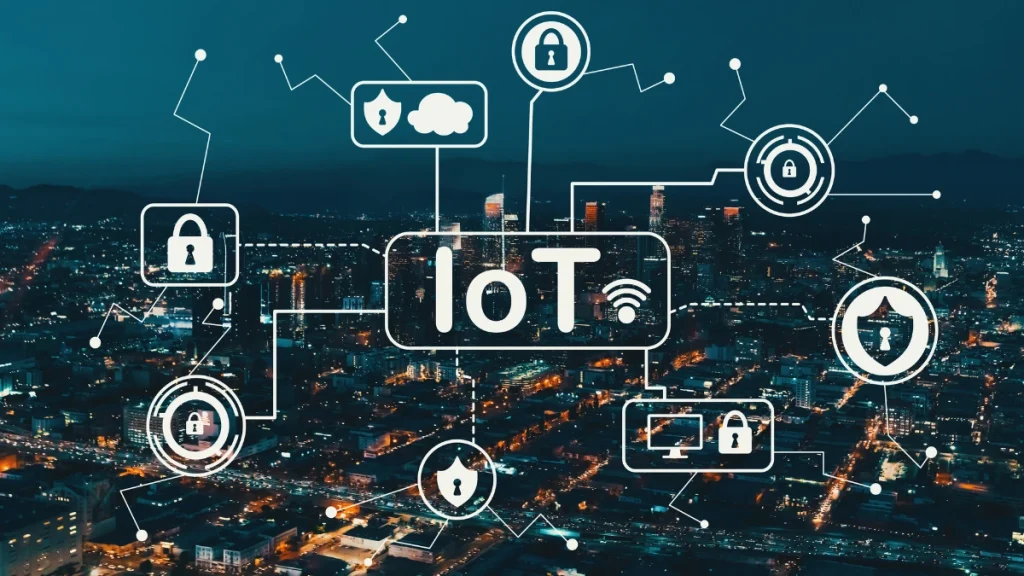
What is an IoT platform? It is the software backbone that links devices, collects data, manages those devices at scale, and turns raw telemetry into working insights for people and systems.
In simple terms, IoT platform meaning are that it’s the “operating system” for Internet of Things solutions. In the absence of this platform, devices are isolated, data is scattered, and monitoring becomes a manual, and fragile process.
An IoT platform normally provides:
- Device connectivity (MQTT/HTTP/CoAP and more)
- Device identity & onboarding (secure registration and provisioning)
- Data ingestion (collecting sensor readings reliably)
- Storage & processing (stream + historical data)
- Rules & automation (alerts, triggers, workflows)
- Dashboards & integrations (APIs into SCADA, BMS, ERP, CMMS)
So, when someone asks “what is an IoT platform”, the best answer is that “it’s the layer that makes devices, data, and actions work together securely and at scale”.
How an IoT Platform Fits Into Internet of Things Infrastructure
Modern Internet of Things infrastructure doesn’t depict just sensors. It’s a full connection from physical assets to digital decisions. What is an IoT platform in this chain? It’s the middle layer that not only standardizes data but also controls many device types and networks.
A typical IoT architecture seems like this:
- Devices (edge): sensors, meters, cameras, controllers
- Connectivity: cellular, LoRaWAN, Wi-Fi, Ethernet, satellite
- Gateways: protocol translation + local buffering
- IoT platform (core): device management + data ingestion + rules
- Analytics/applications: dashboards, AI models, asset management
- Actions: work orders, alarms, valve control, dispatch, optimization
Why the “Platform” Layer Matters
Without a platform, every device should have a custom connection, every dashboard becomes one-off, and every combination becomes a maintenance headache. With a platform, you get reusable patterns i.e. onboarding, identity, monitoring, alerts, and APIs.
IoT Platform Data Management and Device Lifecycle
Only collecting data means that you don’t have an IoT system; you have noise. A strong answer to “what an IoT platform is” incorporates how it manages data and the full device lifecycle.
Core Data Management Functions
- Ingestion pipelines: manage bursts, retries, and connectivity drops
- Normalization: standard units, timestamps, location tags, and asset IDs
- Storage strategy: hot data (recent), warm data (weeks), and cold data (archives)
- Processing: stream rules (real-time) + batch analytics (trends)
- Data governance: retaining policies, access controls, and audit logs
Device Lifecycle Management
- Provisioning: secure keys/certificates, device identity, and configuration
- Configuration updates: remote settings, thresholds, and sampling rates
- Firmware & patching: controlled rollouts, and rollback plans
- Health monitoring: battery level, signal quality, and sensor drift
- Decommissioning: revoke keys, wipe data, and update asset records
This is where IoT platform meaning becomes real that it is not “a dashboard,” but a managed system that stays consistent for years.
IoT Monitoring Platforms: Real-Time Visibility for Infrastructure
Many organizations begin their journey with starting monitoring. That’s why IoT monitoring platforms are usually the first visible “value layer” for decision-makers.
What IoT Monitoring Platforms Typically Provide
- Live dashboards: status of asset, KPIs, maps, and trends
- Alerts & escalation: thresholds, anomaly recognition, and routing to teams
- Incident context: last-known status, sensor history, and related assets
- Predictive maintenance signals: vibration, temperature, and runtime patterns
- Integration hooks: send events into CMMS/ERP/ticketing tools
If you’re assessing what an IoT platform is, inquire whether it can monitor at scale without flooding teams with false alarms.
A Practical Alert Design Checklist
- Use multi-sensor logic (avoid one-sensor panic)
- Combine rate-of-change rules (not just static thresholds)
- Incorporate asset criticality (not every alert is equal)
- Build quiet hours and de-duplication
- Measure alert performance (false positives vs true incidents)
Examples of Internet of Things Devices Used in Infrastructure
A clear way to explain what an IoT platform is showing what it connects. Here are examples of internet of things devices usually used across infrastructure:
- Smart water meters and pressure sensors (leak detection, NRW reduction)
- Vibration sensors on bridges and rotating equipment (condition monitoring)
- Power quality meters (harmonics, voltage sag, load profiling)
- Environmental sensors (PM2.5, CO₂, humidity, noise, weather)
- Tank level sensors (water, fuel, chemicals)
- Valve/actuator controllers (remote control + safety states)
- Fleet GPS trackers (route efficiency, utilization, safety)
- Asset tags (RFID/BLE/UWB) (tools, parts, mobile assets)
- Camera analytics (traffic flow, safety monitoring, perimeter security)
These examples of internet of things devices generate different data formats and operate on different networks. The platform’s job is to standardize all of it so that operators can function confidently.
Comparing IoT Platforms: What to Look For
Organizations often get puzzled here: comparing IoT platforms can feel like comparing “cloud features.” The trick is to compare that is based on operational outcomes and long-term risk.
A Practical Framework for Comparing IoT Platforms
When comparing IoT platforms, evaluate:
- Device support: protocols, gateways, offline buffering, and edge options
- Scalability: device count, message throughput, and latency underload
- Security: device identity, encryption, IAM, audit logs, and zero trust patterns
- Data ownership: exportability, portability, retention control
- Integration depth: APIs, connectors to SCADA/BMS/CMMS/ERP
- Operations tooling: monitoring, rollout management, and device health
- Cost model: ingestion costs, storage tiers, egress, and support pricing
- Vendor lock-in risk: proprietary dependencies vs open standards
Pros and Cons to Include in Your Selection
Pros
- Quicker deployment with reusable templates
- Better consistency through managed pipelines
- Combined visibility through IoT monitoring platforms
Cons
- Misfit platforms create long-term incorporation debt
- Poor governance can cause data sprawl
- Inflexible pricing can punish growth
If your team is still feel ambiguity and want to ask what an IoT platform is; then use this: it’s a long-term operating layer, and not just a short-term tool.
IoT in Finance Industry: Why It Matters Beyond Physical Infrastructure
It may sound a bit surprising, but IoT in finance industry is growing because finance progressively depends on real-world signals.
Common IoT in Finance Industry Use Cases
- Insurance telematics: usage-based pricing from vehicle/asset sensors
- ATM and branch monitoring: uptime, temperature, tamper detection
- Cold-chain and asset-backed finance: verify storage conditions and location
- Fraud and risk signals: unusual device behavior patterns and access attempts
- Smart buildings for financial institutions: energy optimization + security monitoring
In IoT in finance industry, security and compliance are essential. An IoT platform should support strong identity, audit trails, and controlled data access.
IoT Product Engineering: Building Reliable IoT Solutions End-to-End
An IoT initiative fails when it’s considered like a one-time installation. IoT product engineering considers IoT as a living product which is designed, tested, scaled, secured, and maintained.
The IoT Product Engineering Lifecycle
- Discovery: use cases, KPIs, ROI logic, operational ownership
- System design: devices, connectivity, data model, failure modes
- Build: firmware, gateways, platform configuration, apps/dashboards
- Validate: field testing, network stress tests, data accuracy checks
- Deploy: staged rollout, training, support model
- Operate: monitoring, patching, calibration, incident response
- Scale: templates, governance, multi-site rollouts, cost optimization
Good IoT product engineering also incorporates:
- Documentation and runbooks
- Testing for offline conditions
- Observability (logs/metrics/traces)
- Security reviews from day one
Security, Scalability, and Compliance: The Non-Negotiables
When leaders ask what an IoT platform is, they often want to ask, “Can this be trusted at scale?” That comes down to security and resilience.
Security Essentials
- Unique device identity (certificates/keys per device)
- Encryption in transit and at rest
- Role-based access control and least privilege
- Network segmentation (especially for critical assets)
- Secure firmware updates with rollback
- Audit logs for compliance and investigations
Scalability Essentials
- Horizontal scaling for ingestion pipelines
- Backpressure managing for bursty data
- Multi-region options for consistency (where needed)
- Clear data retention policy to control costs
A platform that can’t scale safely converts IoT into risk instead of value, no matter how good the dashboard looks.
Conclusion
So, what is an IoT platform in one sentence? It’s the operating layer that makes connected infrastructure handy, monitorable, secure, and scalable.
Practical takeaways
- Begin with outcomes: uptime, response time, energy, safety, compliance
- Use monitoring for quick wins, but plan lifecycle and governance immediately
- When comparing IoT platforms, prioritize combination, security, and long-term portability
- Handle deployments as products through IoT product engineering
- Expand beyond infrastructure—IoT in finance industry shows how real-world data drives decisions