There is a radical shift in the global financial landscape; and in this changing scenario, Pakistan is positioning itself at the forefront of this digital revolution. In January 2026, the Pakistan Virtual Asset Regulatory Authority (PVARA) formalized a historic agreement with SC Financial Technologies, an affiliate of World Liberty Financial. By this strategic move, Pakistan aims to explore the incorporation of the USD1 stablecoin into the national payment architecture. For a country with a fast-expanding technology sector, this development is not just a regulatory update; in reality, it is a gateway to enhancing Pakistan stablecoin outsourcing benefits across the board. By instituting a regulated framework for digital assets, the government is signaling its readiness to renew trade and provide local talent with the tools which are necessary to compete in a progressively tokenized global economy.
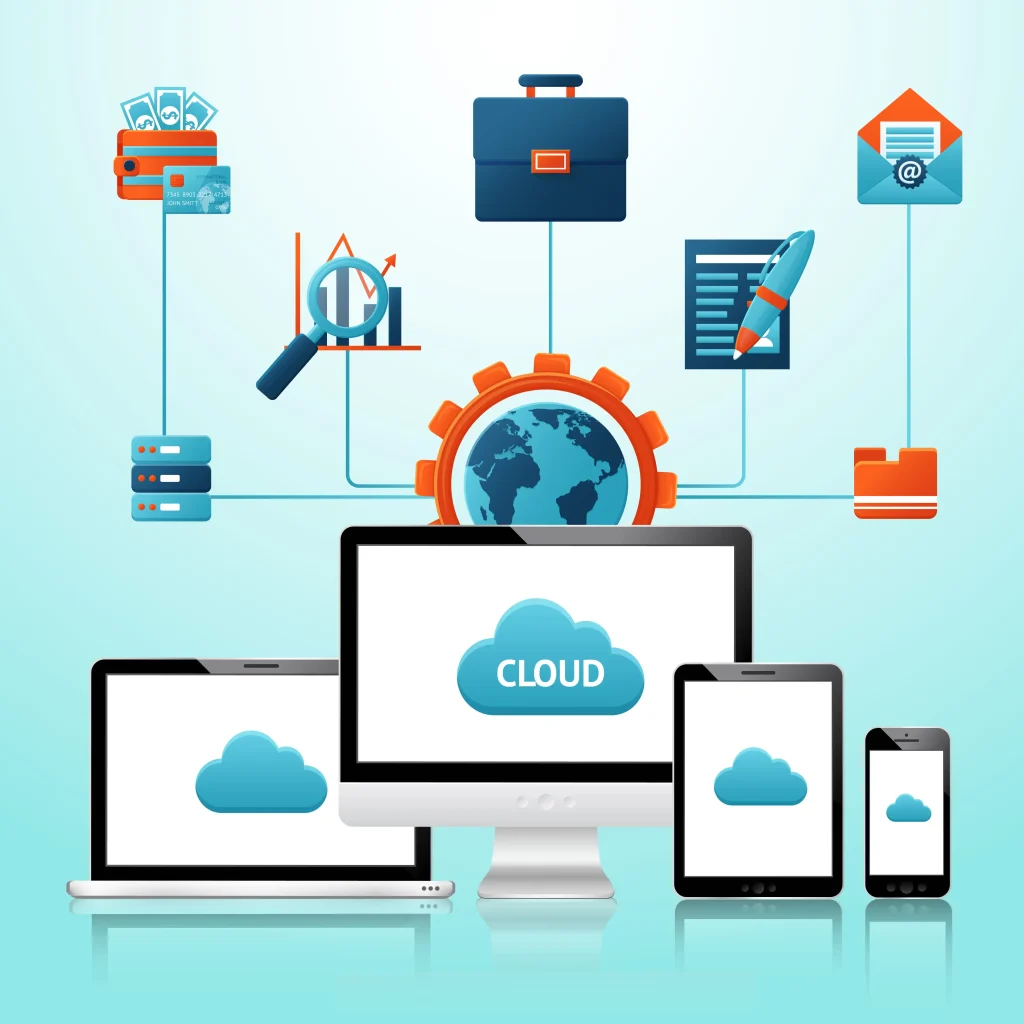
Since long, Pakistan’s IT and freelancing sector has been a pillar of its economic resilience, yet it has been steadily hampered by the friction of traditional banking. Thousands of developers, designers, and consultants currently face considerable obstacles when receiving foreign currency. Established wire transfers frequently involve multiple intermediary banks, each taking a cut in fees, and at the same time this settlement process may leave funds in limbo for days. This delay is specifically challenging for small businesses and independent contractors who depend on continuous cash flow. The emergence of stablecoin payments for freelancers Pakistan provides a direct remedy to these inefficiencies. These digital assets enable 24/7 settlements by bypassing the aging SWIFT network, thereby guaranteeing that the value earned is the value received, without the unpredictability of changing exchange rates during the transfer period.
One of the most instant impacts of this shift is the revitalization of Pakistan IT exports stablecoin mechanisms. When local firms can accept payments in a US dollar-pegged digital currency, they gain an instant benefit in liquidity management. For international clients, paying in stablecoins is a lot economical and quicker than traditional methods, making Pakistani agencies becoming more competitive on the global stage. This simplicity of transaction facilitates a more uniform experience for cross border payments Pakistan outsourcing, enabling projects to move from completion to payment in minutes instead of weeks. As more companies recognize the efficiency of this model, the volume of high-value IT contracts flowing into the country is expected to increase, further bolstering the national reserves.
The government’s proactive stance also encourages widespread stablecoin adoption Pakistan businesses which are already starting to embrace. Small and medium enterprises (SMEs) are remarkably well-positioned to benefit from this technology. By utilizing digital ledgers, businesses can maintain transparent records and decrease the overhead costs that are associated with traditional foreign exchange services. The primary Pakistan stablecoin outsourcing benefits lie in the ability to operate globally while preserving local financial stability. As stablecoins provide a consistent store of value, businesses can protect their margins from the instability of the local currency, empowering for better long-term planning and investment in human capital.
Despite the clear advantages, the integration of crypto assets needs careful oversight. PVARA and the State Bank of Pakistan are working in tandem to make sure that Pakistan crypto outsourcing payments remain secure and compliant with international Anti-Money Laundering (AML) standards. The goal is to start a “regulation-first” environment that stops illicit use while adopting genuine innovation. Risks such as cyber-security and the operational stability of issuers of stablecoin remain at the top of the regulatory agenda. However, by connecting with global entities like World Liberty Financial, Pakistan is guaranteeing that its infrastructure is built on tested, transparent models which align with the national interest and global best practices.
In the long term, the effect of this stablecoin idea will extend far beyond the tech sector, driving broader financial inclusion and a more tough digital economy. By lowering the barriers to entry for global trade, Pakistan is enabling its youth to participate in the international market without requiring a traditional corporate bank account for every transaction. This development towards a hybrid financial system, where digital and fiat currencies coexist implies a future where the digital economy is more resilient and accessible. As the world lookouts this pilot program unfold, the successful realization of Pakistan stablecoin outsourcing benefits could work as a blueprint for other emerging markets looking to decouple their economic growth from the limits of traditional cross-border finance.