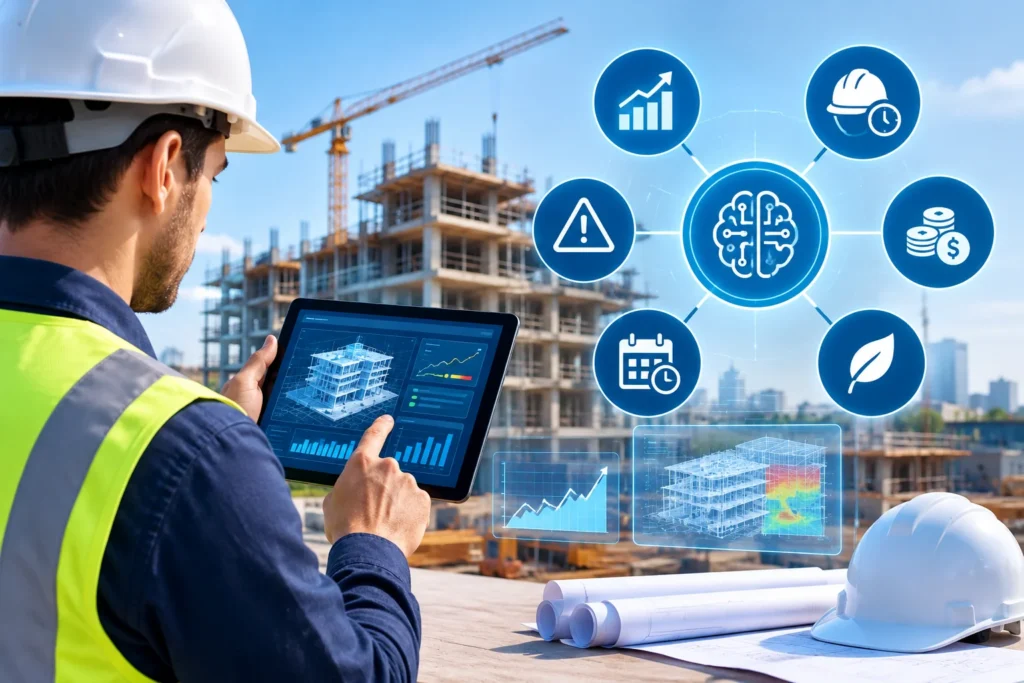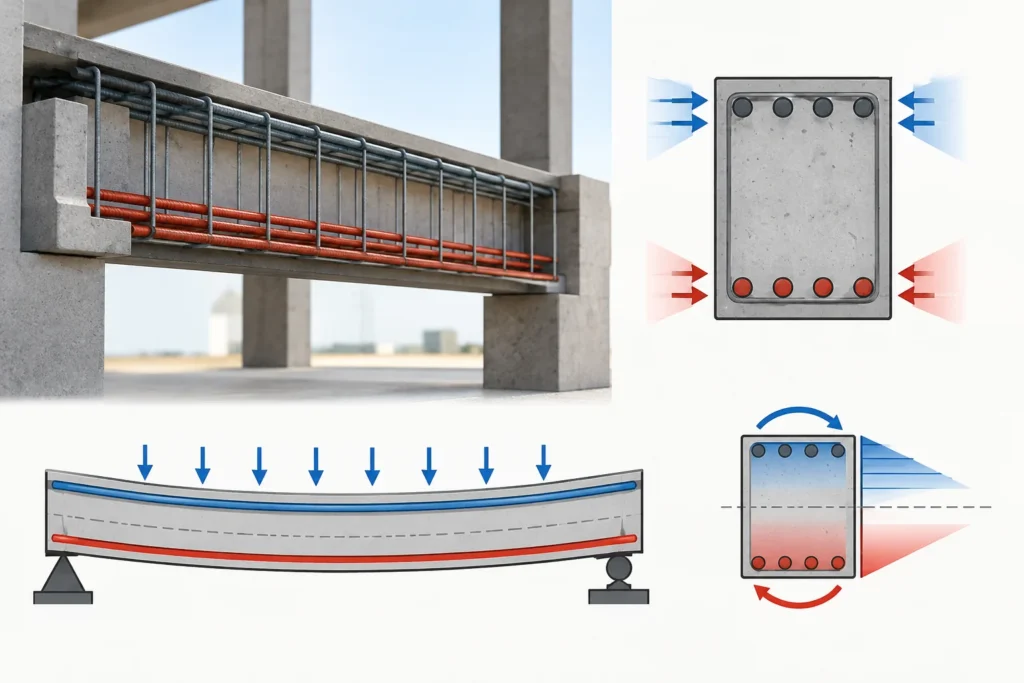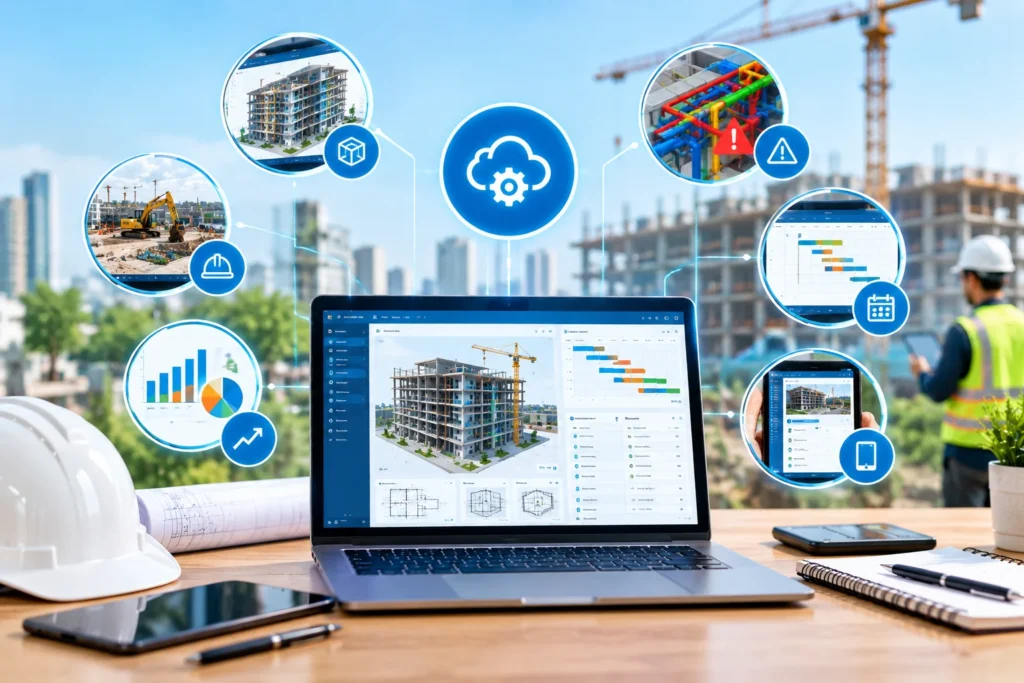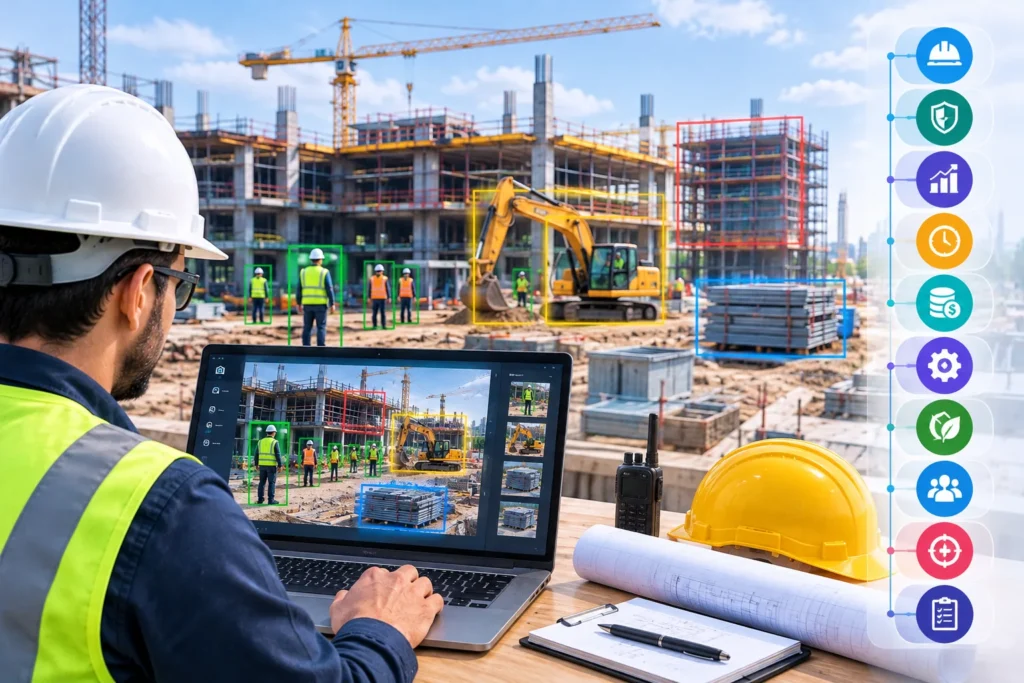
As infrastructure is aging, and deferred maintenance, coupled with rising service expectations, and tighter public budgets are pressing asset owners to manage roads, bridges, utilities, and facilities with more control than ever. Industry research often shows that reactive maintenance and incomplete asset data result in preventable failures, higher lifecycle expenditures, and erratic outages. That’s the reason that infrastructure asset management software is becoming a practical basis for modern agencies and operators. It is not like “another IT tool,” rather it is a way to take evidence-based decisions for maintenance, renewals, and funding, instead of guesswork.
What Is Infrastructure Asset Management?
The answer of ‘what infrastructure asset management is’, is that it is the structured practice of managing public infrastructure assets across their full lifecycle, from planning and design, to operation, maintenance, renewal, and ultimate replacement. A road segment, bridge component, pump station, pipe network, substation, streetlight, or public building system; all are defined as “an asset”. The goal of infrastructure asset management is to sustain performance, safety, and service levels over decades; instead of only to “fix things when they break”.
Lifecycle thinking is important because infrastructure cost is not only the expenditure at the time of initial build. It also includes continuing inspections, maintenance labor, materials, downtime, risk exposure, and renewal programs. Generally, asset owners think separately about CAPEX (capital upgrades and replacements) from OPEX (operations and maintenance). However, both should be optimized together to decrease long-term cost and risk of failure.
What Is Infrastructure Asset Management Software?
Infrastructure asset management software is a platform that facilitates organizations inventory assets, trace condition, plan maintenance, accomplish work orders, analyze risk, control costs, and report performance. In simple words, it sets scattered information into a living system, i.e. an asset registry linked to inspections, maintenance history, costs, and service outcomes.
Infrastructure asset management software is not like a spreadsheet; instead, it supports governance and repeatability. It assists to standardize inspection scoring, track who updated what, join activities to budgets, and show decision-makers why certain renewals should be considered on priority.
How an Infrastructure Asset Management System Works
An infrastructure asset management system naturally starts with an asset registry, sometimes also called an asset inventory, where each asset is uniquely recognised and organized. Once assets are registered, next step is to collect condition data through inspections, surveys, and sometimes sensors. That condition information is then transformed into condition scores and failure likelihood indicators that help in prioritizing actions.
After that comes risk scoring, where criticality is evaluated. A small pipe in a remote area cannot be the same as a main trunk line feeding a hospital district. By linking conditions with criticality, the system supports prioritization and maintenance planning based on risk. Work orders are then made and scheduled, field teams complete tasks, and inspection feedback updates the asset record, establishing a continuous improvement loop.
As time passes, the system creates performance indicators and long-term plans. This is where an infrastructure asset management system becomes strategic, because it supports multi-year renewal planning, helps predict backlog growth, and specifies evidence for funding decisions.
Infrastructure Asset Management vs Project Management Tools
Asset management with project delivery tools are easily confused to be the same, but that is not true. Project management software is designed to deliver a described scope within a timeline and budget. On the other hand, focus of asset management is on operating and optimizing assets over decades. The two associate at handover, when as-builts, commissioning results, warranties, and asset data should flow into the asset registry so that operations teams inherit structured information instead of a pile of PDFs.
If your organization is already using infrastructure project controls, then infrastructure asset management software will complement it by keeping the asset record alive after construction ends, changing “handover” into long-term operational value.
Core Capabilities of Infrastructure Asset Management Solutions
Asset Inventory and Asset Registry
A consistent asset registry is the base layer for infrastructure asset management solutions. It specifies what assets you own, where they are, what they are made of, when they were installed, and how they are classified. Without this, condition programs and budgeting rapidly become unreliable.
Condition Assessment and Inspections
Condition assessment tools standardize how assets are valued so scores are comparable across regions and teams. Good systems maintain inspection templates, rating scales, photos, geotagging, and repeatable workflows. This establishes a trusted baseline for renewals, specifically when leadership asks why one asset is prioritized over another.
Maintenance Planning and Work Orders
Maintenance modules transform plans into action through work orders, crew scheduling, materials tracking, and completion confirmation. Mature workflows help organizations move from reactive repairs to planned maintenance, decreasing emergency costs and service interference.
Risk-Based Prioritization and Criticality
Risk-based decision-making relates likelihood of failure with outcome of failure. In practice, this ability helps prioritize limited budgets toward assets that protect safety, consistency, and economic activity. It also supports transparent trade-offs when funding cannot cover every requirement.
Lifecycle Costing
Costing for full lifecycle enables owners to compare short-term fixes with long-term renewals. A patch may be cheap today but costly over time if it causes repeated failures. Infrastructure asset management solutions make these comparisons easier by combining historical maintenance cost, failure history, and remaining useful life into one decision view.
GIS, BIM, and Digital Twin Integration
Incorporation is increasingly important. GIS delivers location context and network relationships, while BIM and digital twins can provide geometry, attributes, and component-level information. When combination is done well, infrastructure asset management solutions decrease data silos and upgrade quality of handover.
Compliance, Safety, and Audit Trails
Asset owners repeatedly have legal and safety requirements. Compliance features help in tracking inspections, certifications, and corrective actions, while audit trails show who approved essential maintenance decisions and when they were implemented.
Reporting, Dashboards, and Performance KPIs
Dashboards transform technical data into governance signals, i.e. backlog, condition trends, renewal requirements, risk hotspots, and service levels. Strong reporting raises trust, which is crucial for budget approvals and public accountability.
Real-World Use Cases Across Transport, Utilities, and Public Infrastructure
Roads and Pavements
For roads, infrastructure asset software frequently supports pavement condition indexing, tracking of defects, and renewal prioritization. It helps establish where preventive maintenance is enough and where full rehabilitation is more economical.
Bridges and Structures
Bridge asset management stresses inspections, structural element condition, load restrictions, and risk. Systems maintain inspection cycles and help to justify renewals that are based on safety and consequence, not only visible depreciation.
Water and Wastewater Networks
Utility networks gain benefit from mapping, failure history tracking, criticality ranking, and renewal planning. Infrastructure asset software helps utilities turn from break-fix culture to planned renewals, decreasing outages and costs of emergency response.
Power Distribution and Transmission
Power operators use asset management for scheduling maintenance around consistency obligations and to manage aging components. Condition-based maintenance and prioritized renewals help decrease spontaneous outages and support regulatory reporting.
Public Buildings and Facilities
Facilities asset management include HVAC, electrical systems, elevators, fire systems, and space utilization. By tracking conditions and lifecycles, owners can budget renewals, decrease interruption, and maintain compliance.
Financial Impact: Budgeting, Cost Control, Forecasting, ROI
Financial clarity is the strongest case for infrastructure asset management software. When condition and risk are measured constantly, it becomes easy to defend budgets. Rather than asking for funds based on anecdote, teams can show how funding will decrease risk and enhance service levels. This is particularly appreciated in asset management infrastructure programs where competing priorities frequently dilute investment.
Cost control increases when maintenance is planned instead of being reactive. Emergency repairs are mostly more costly due to overtime, rush procurement, and collateral damage. By using risk-based prioritization, management infrastructure teams can assign resources toward actions that inhibit high-cost failures, decrease interruption, and stabilize operating expenses.
Predicting is another major benefit. Asset owners can project renewal requirements over 5–20 years, quantify backlog growth, and compare scenarios based on levels of funding. ROI usually comes from decreased failures, less emergency callouts, better prioritization, increased procurement planning, and less waste from repeating short-term fixes. Over time, infrastructure asset management software also progresses quality of decision-making by building a consistent history of costs and outcomes that informs future plans.
Common Challenges and Best Practices
The most common challenge is data quality. If the asset registry is incomplete or unreliable, reporting loses integrity. One of the best practices is to begin with a minimum viable registry and increase it steadily, instead of trying to make everything perfect before launch.
Another issue is consistency of inspection. Standardized templates, training, and calibration sessions help decrease subjectivity; therefore, condition scores remain comparable. Organizational silos can also prevent success. For asset management to work perfectly, it is required that finance, operations, engineering, and field teams develop consensus on definitions, workflows, and decision rules.
Maintaining data current is often neglected. Mobile-friendly updates, clear ownership, and simple feedback loops are vital, so that the system reflects reality instead of becoming an archive.
Future Trends in Infrastructure Asset Management
The future is turning toward predictive and real-time decision support. IoT sensors can deliver continuous signals for vibration, pressure, temperature, or corrosion indicators. AI-assisted analytics can flag abnormalities, prioritize inspections, and advance risk scoring. Climate resistance planning is also becoming more central, as assets should be managed against heat, flooding, and extreme events. Digital twins will gradually trust asset systems as the operational backbone that keeps asset data actionable.